
Fly me to... Scottish Highlands
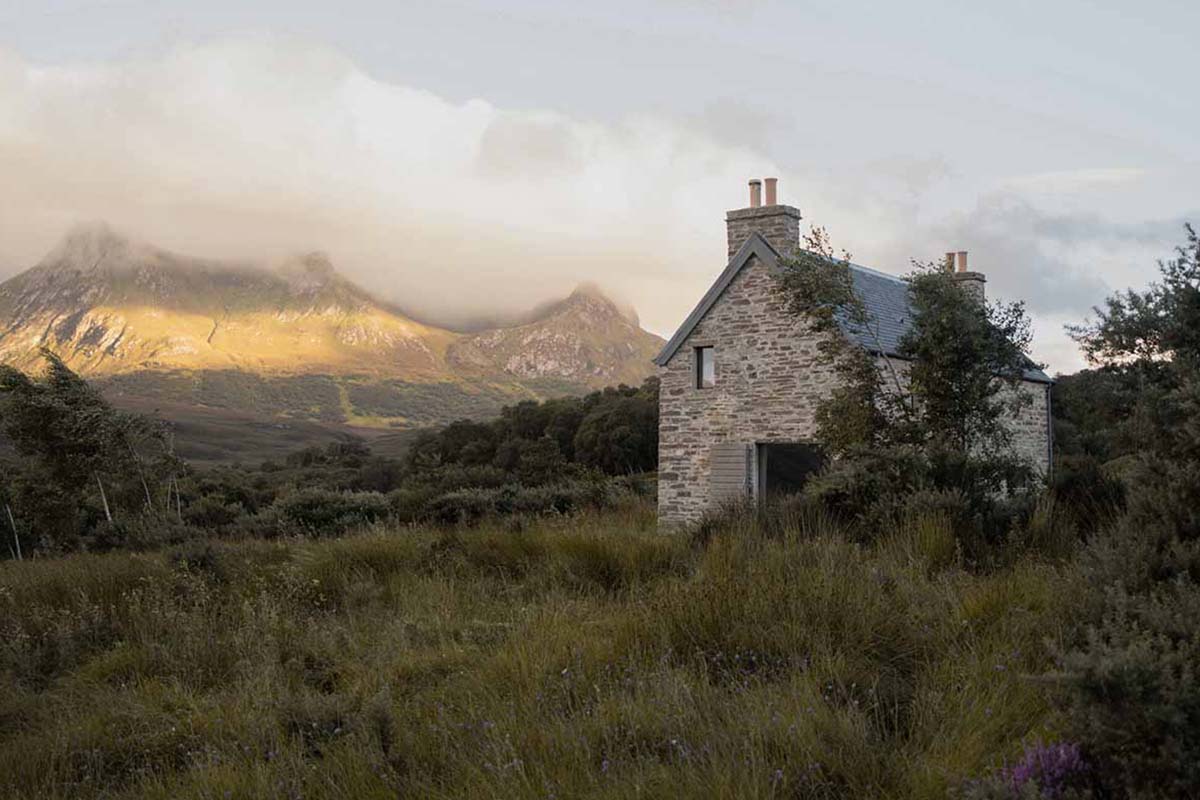
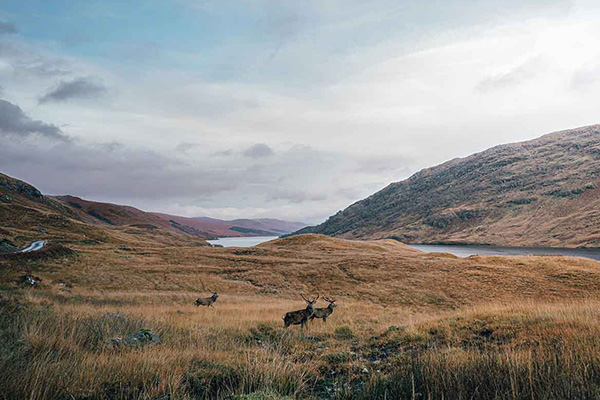
Some countries reveal themselves best from behind the wheel. Scotland is one of them. In just a few miles, the landscape opens wide before narrowing again, linking a city to a single-track road with no centre line, edged by heather and silence. The Scottish Highlands have a rare ability to balance escape and stillness, grand tables and grand landscapes, without ever setting them against one another. A new generation of houses and hotels has emerged, shaped by a deep respect for materials, quietness and a slower pace of life. Raw stone walls, pale timber, restrained lines, places that feel less designed to stand apart from the landscape than to extend it.
Silence takes the wheel
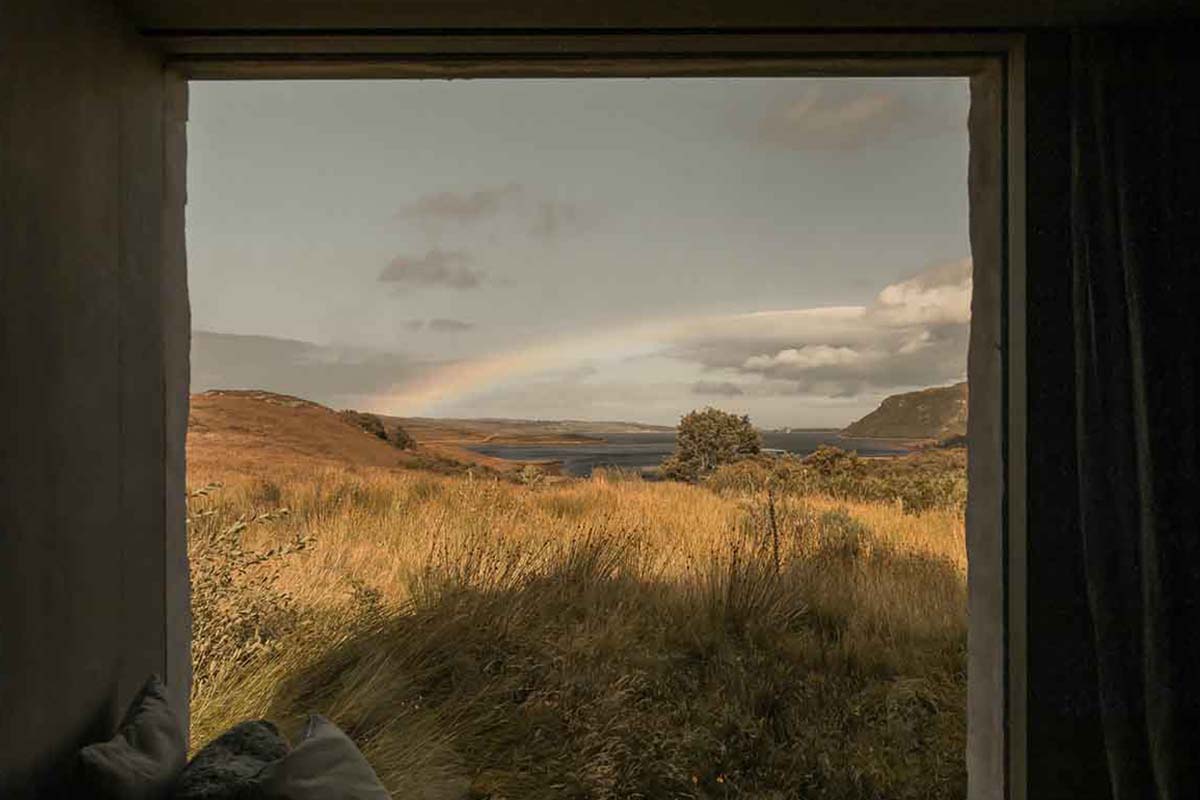
Scotland is not a destination to be discovered; it is a place to be travelled through. Narrow roads set the pace, and every bend reveals something unexpected, a still loch, an open moor, a forgotten chapel. The light shifts by the hour, sometimes by the minute, teaching you to adapt to it rather than anticipate it. Villages are crossed in moments, yet the landscapes take days to truly reveal themselves. You drive without hurry, the window slightly open, carrying the scent of peat and rain. Every stop feels like a threshold, every departure like a promise.
The journey begins the moment you stop counting the miles.
We love the Scottish Highlands for…

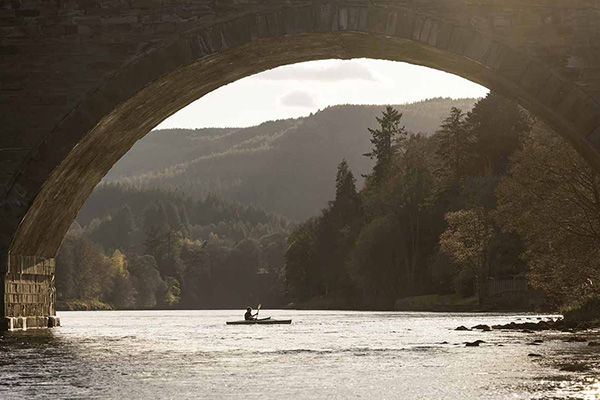
The river is still breathing when you push off. A picnic basket at the bow, wood gently creaking against the water, and now and then the discreet wake of a beaver along the bank. Trees mirror themselves in the dark, glass-like surface. No one around. Just the rhythm of the paddle and the feeling of having discovered a secret passage between two worlds.
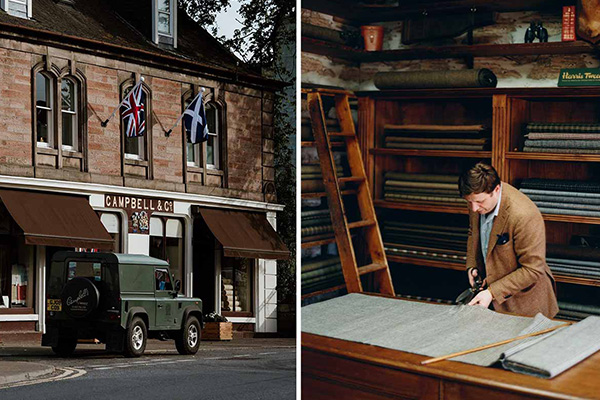
Original shelves, fabric measured by the yard, the precise gestures of a tailor at work. You hesitate between deep greens and warm browns, imagining the cut before trying it on. Tweed is chosen slowly, much like a cherished memory. A handful of bespoke pieces, crafted from cloth found nowhere else, to accompany winters for years to come.
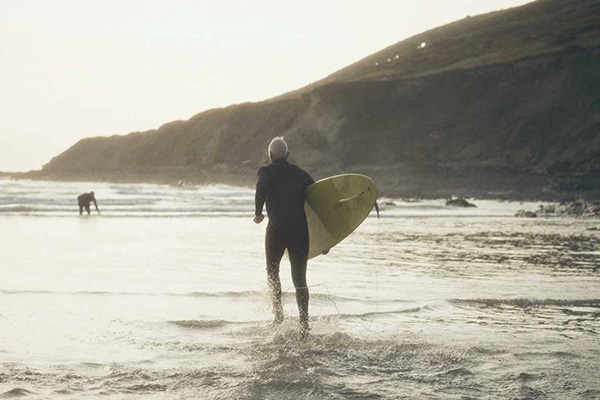
Near Durness, far beyond any signal, an unmarked bend leads down towards the sea. The water is an impossible shade of blue, still and almost unreal. You walk barefoot across the sand and sit without speaking. No footprints, no noise. Just the quiet certainty of having arrived somewhere that belongs only to the present moment.
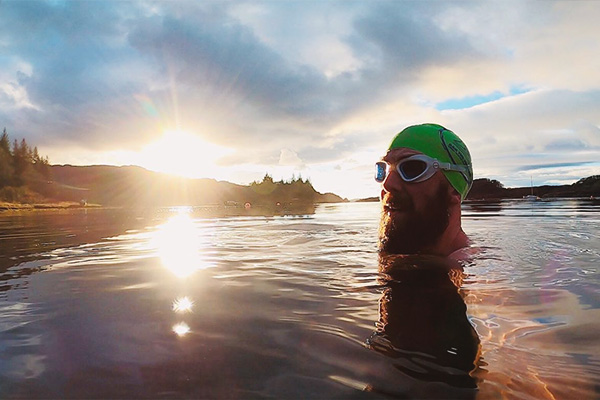
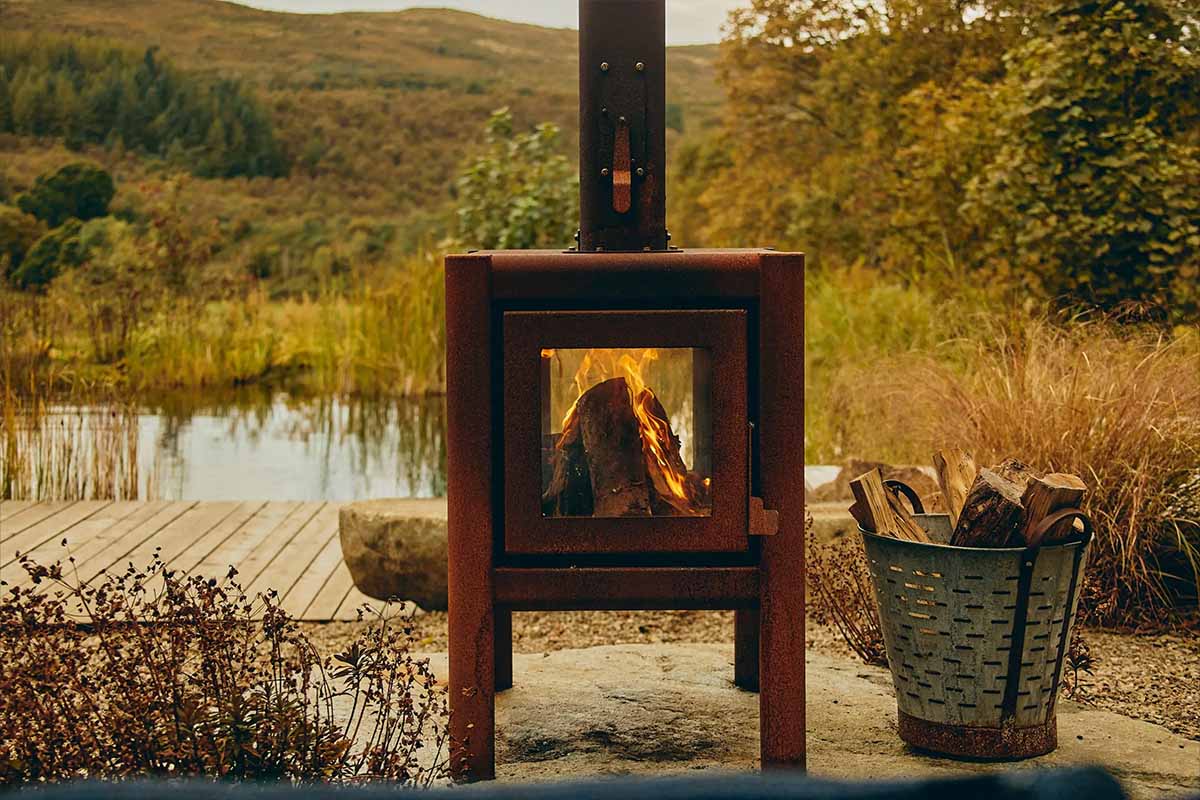
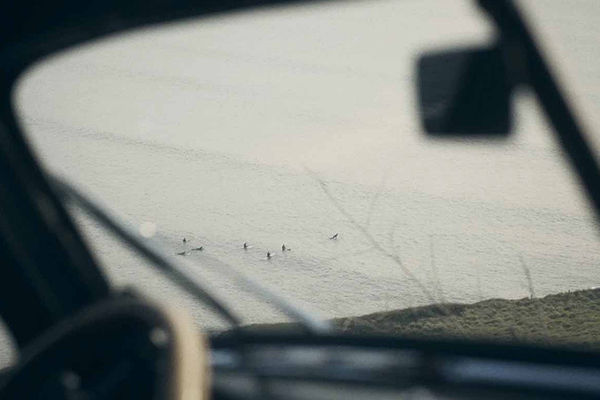
The cold takes your breath away before your body gradually settles into it. For a few minutes, you drift through water of remarkable clarity, surrounded by bare mountains and ever-changing skies. Back on shore, a crackling fire, a steaming cup of tea and a wool blanket await. The sensation lingers long afterwards, like a secret shared with the landscape itself.
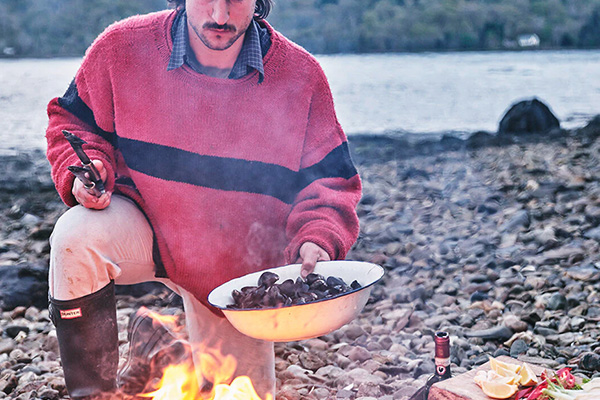
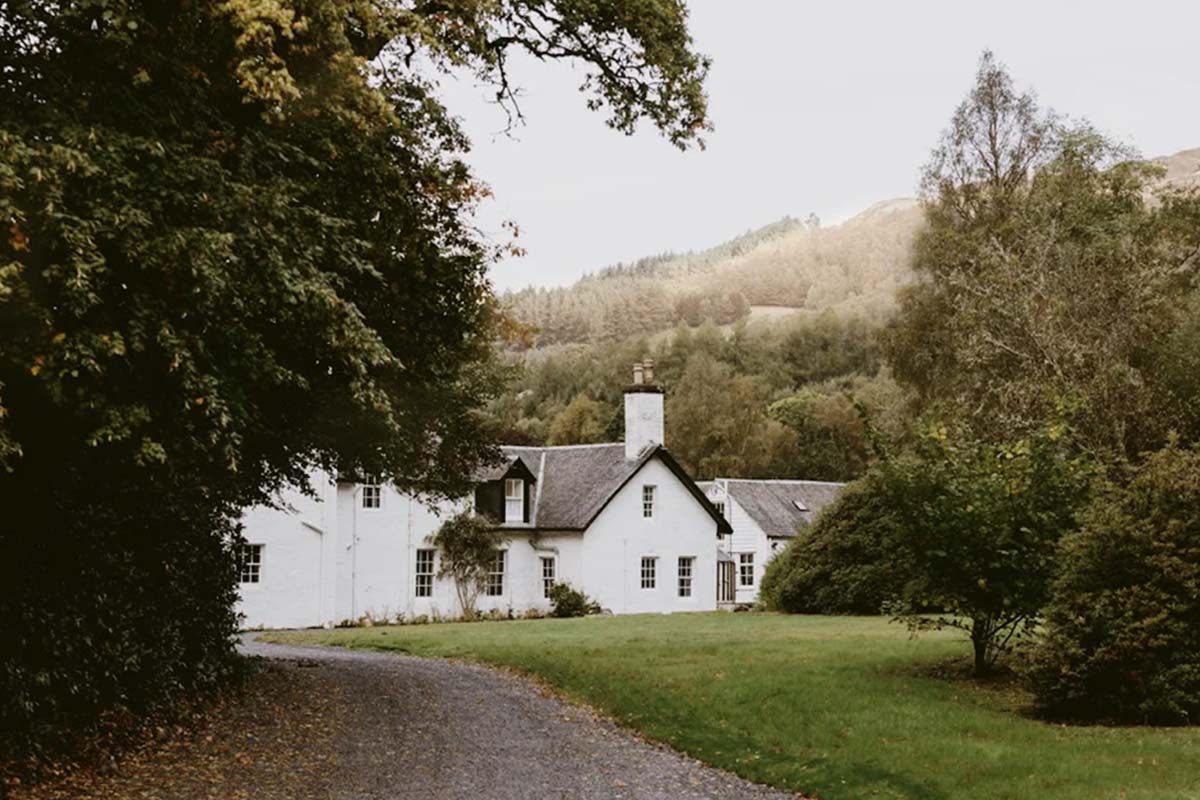
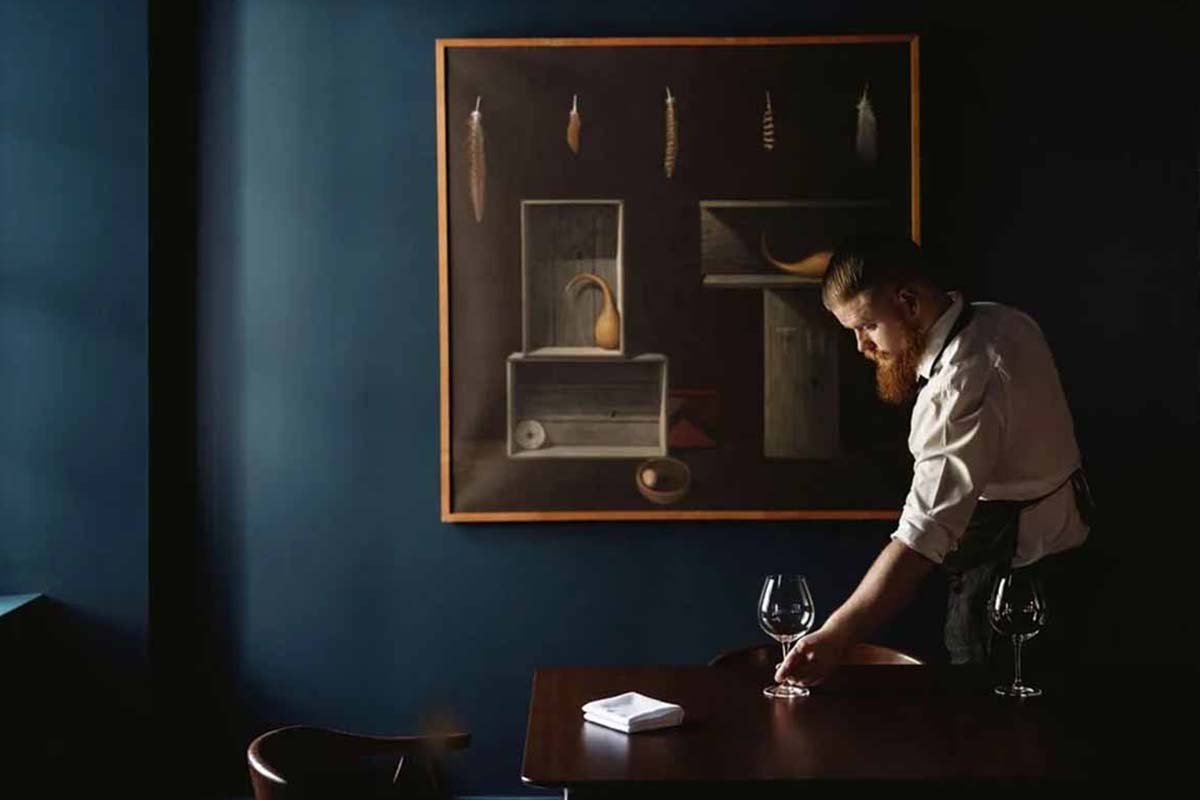
At Killiecrankie House, the kitchen takes its time. Langoustines, yuzu, caviar and local game, each plate is refined without ever losing sight of pleasure. Outside, the contours of the Cairngorms soften as the colours fade one by one. You linger at the table long after dessert. Evening arrives quietly, and no one speaks of leaving.
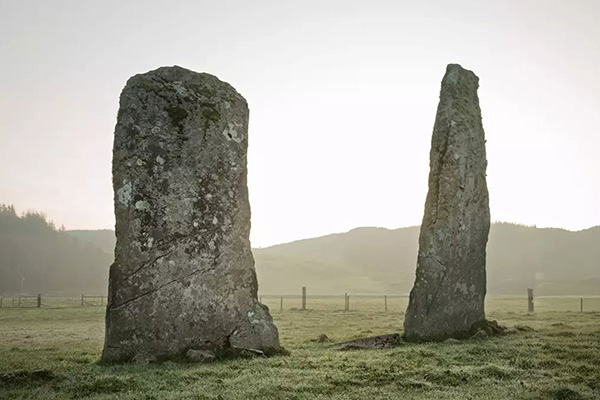
More than 350 prehistoric monuments lie scattered across the valley, dolmens, cairns, stone circles and ancient alignments that have endured for millennia. You wander from one site to the next, heather beneath your feet, low skies overhead and the wind as your only companion. The landscape feels suspended in time, carrying a sense of mystery that remains long after the walk is over.
Weisse’s selection
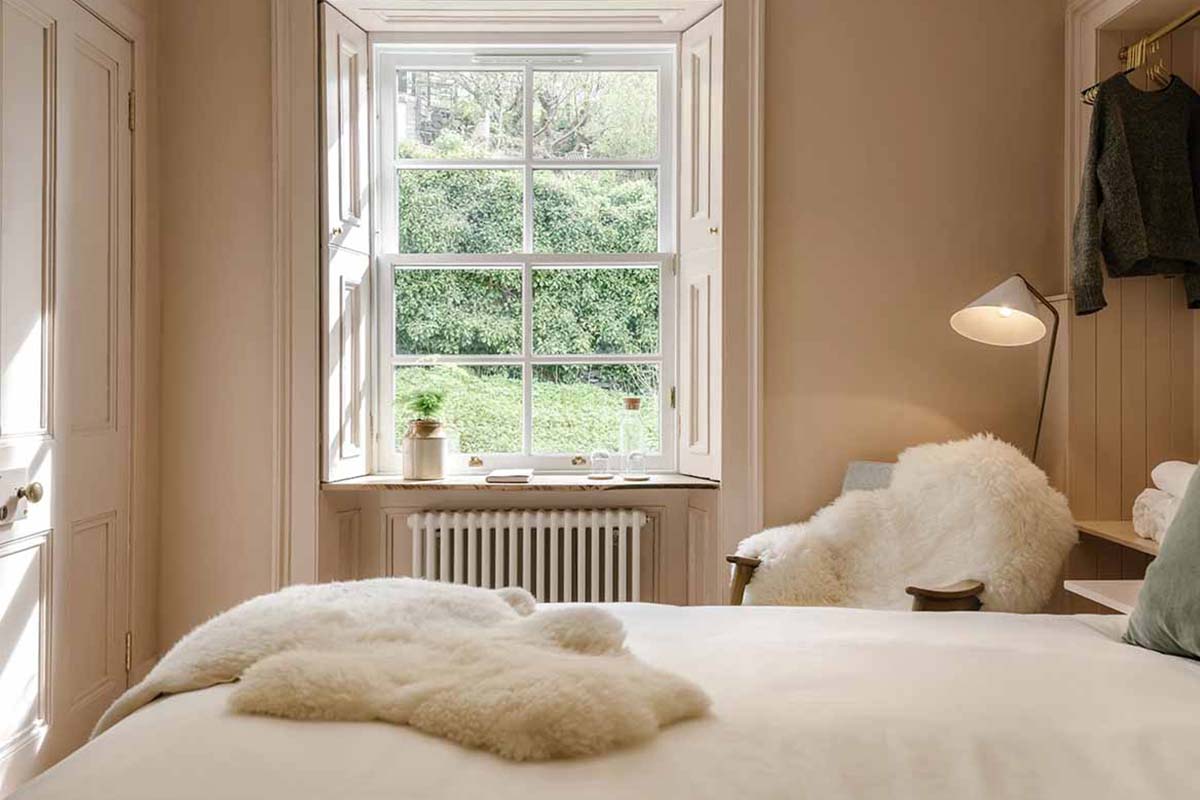
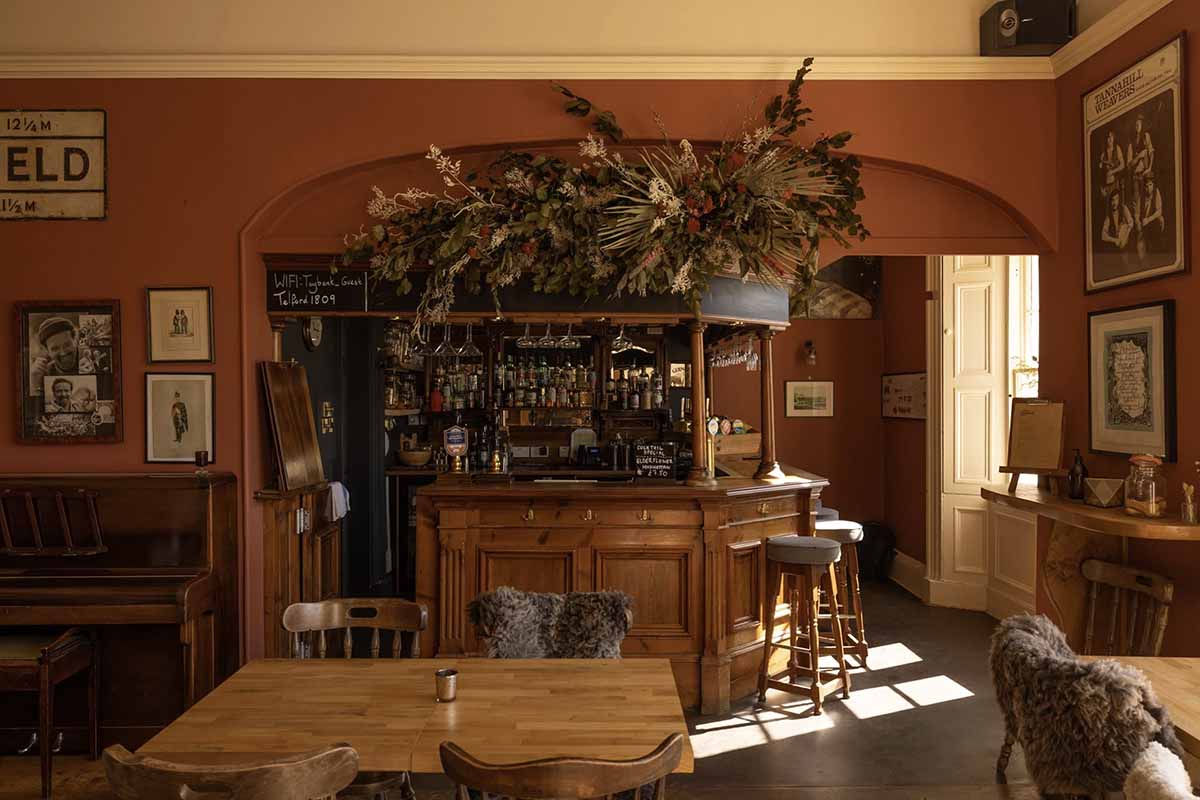
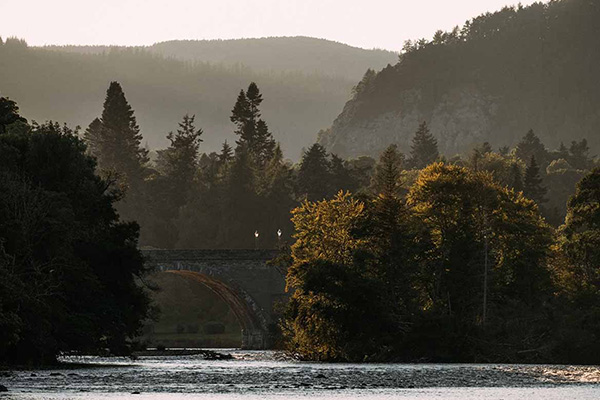
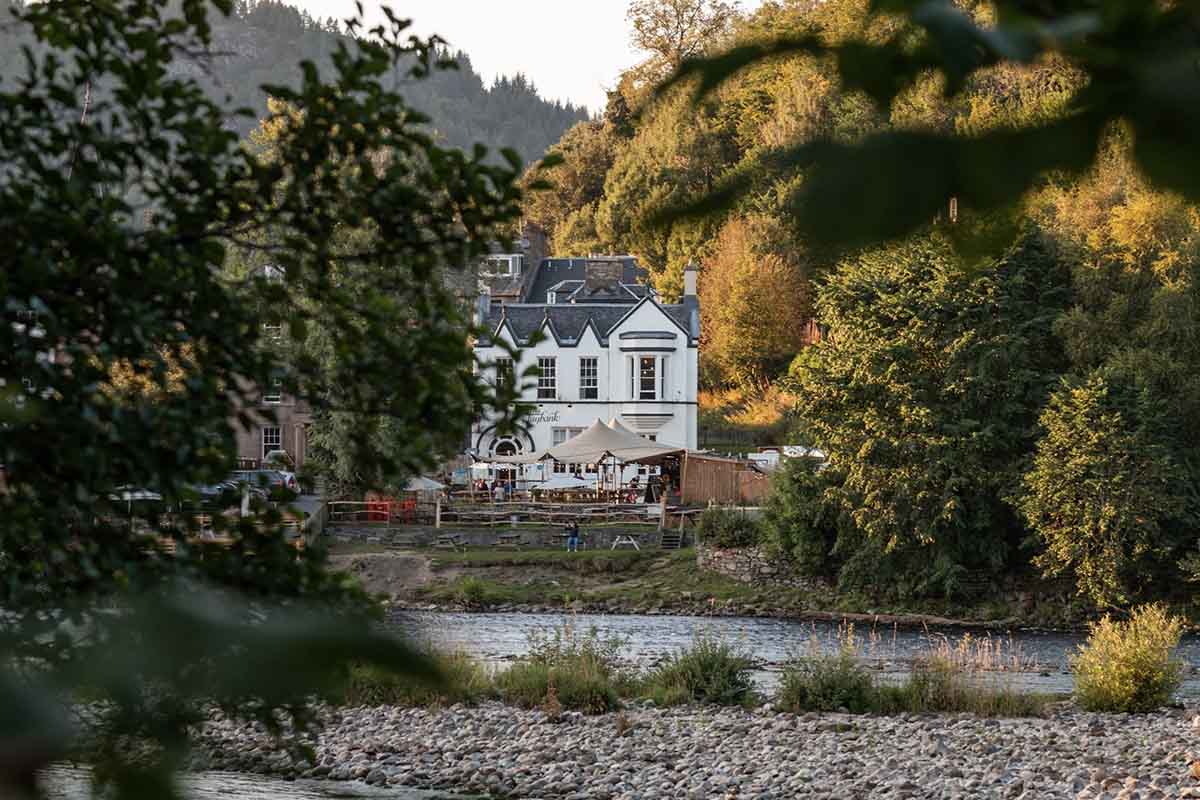
The bridge at Dunkeld crosses the River Tay without ceremony. The village slows your pace almost instinctively. At The Taybank, dinner is served overlooking the water before the river takes over once more. By canoe, you drift through its gentle bends, a picnic basket at the bow, occasionally catching sight of a beaver slipping quietly along the bank. In the morning, the bread is still warm from the oven. You linger a little longer. You could easily stay. Yet the road is already calling.
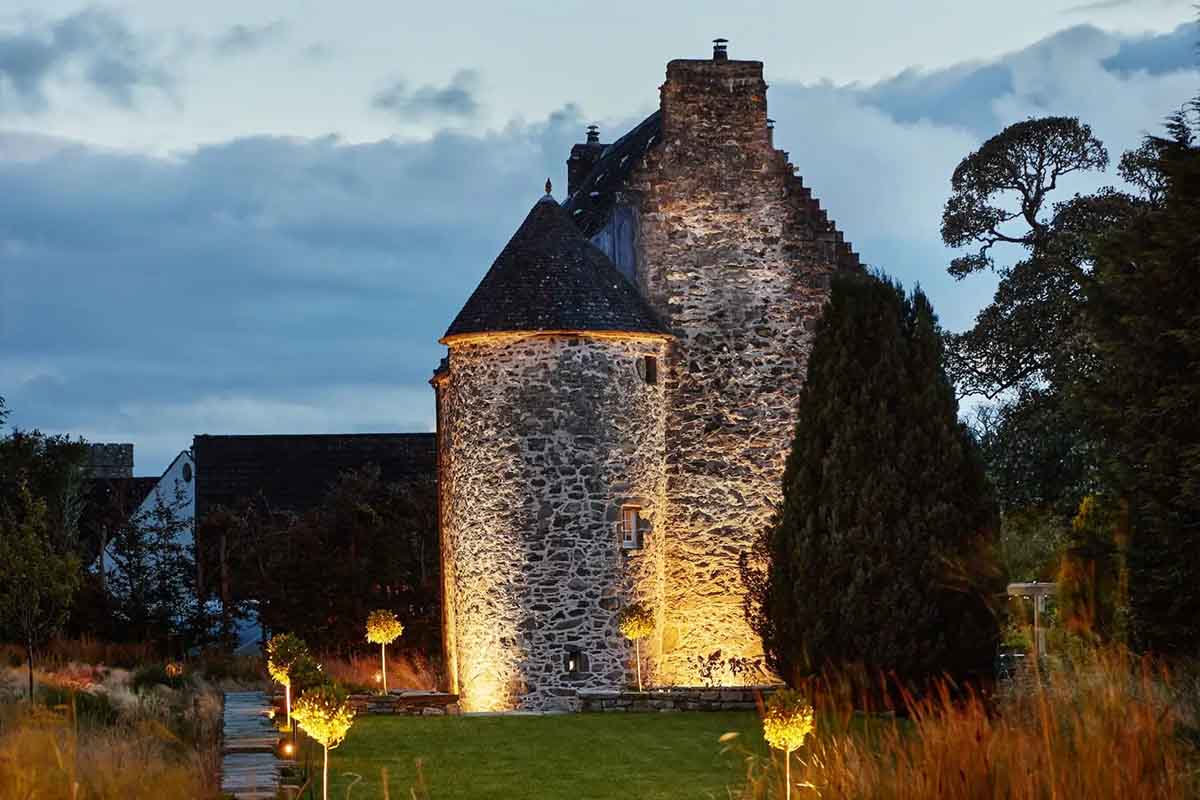
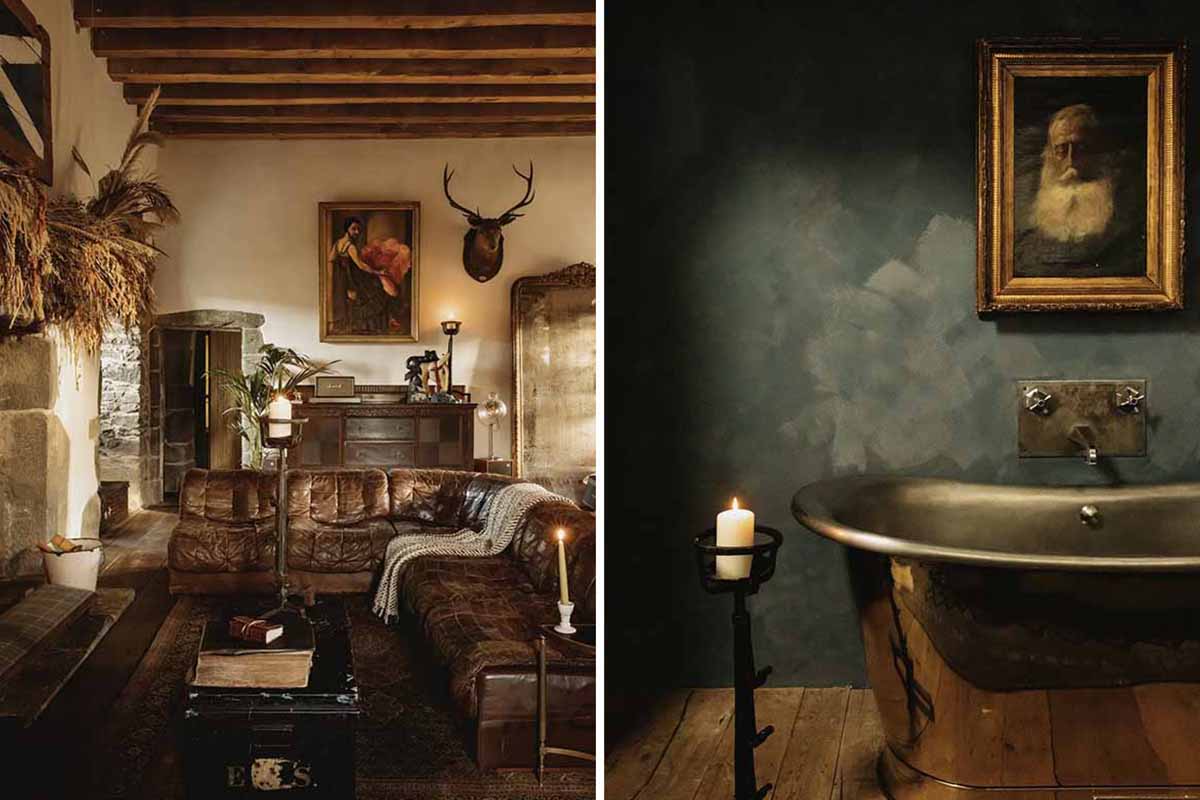
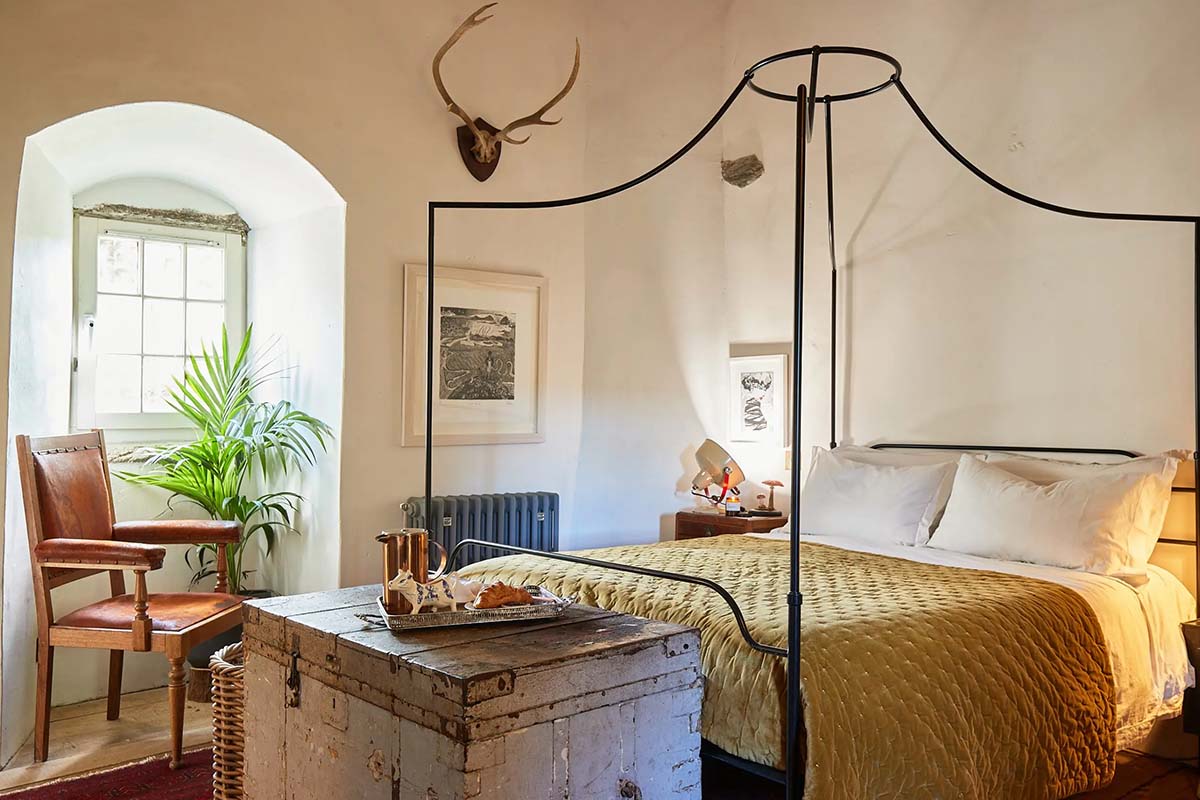
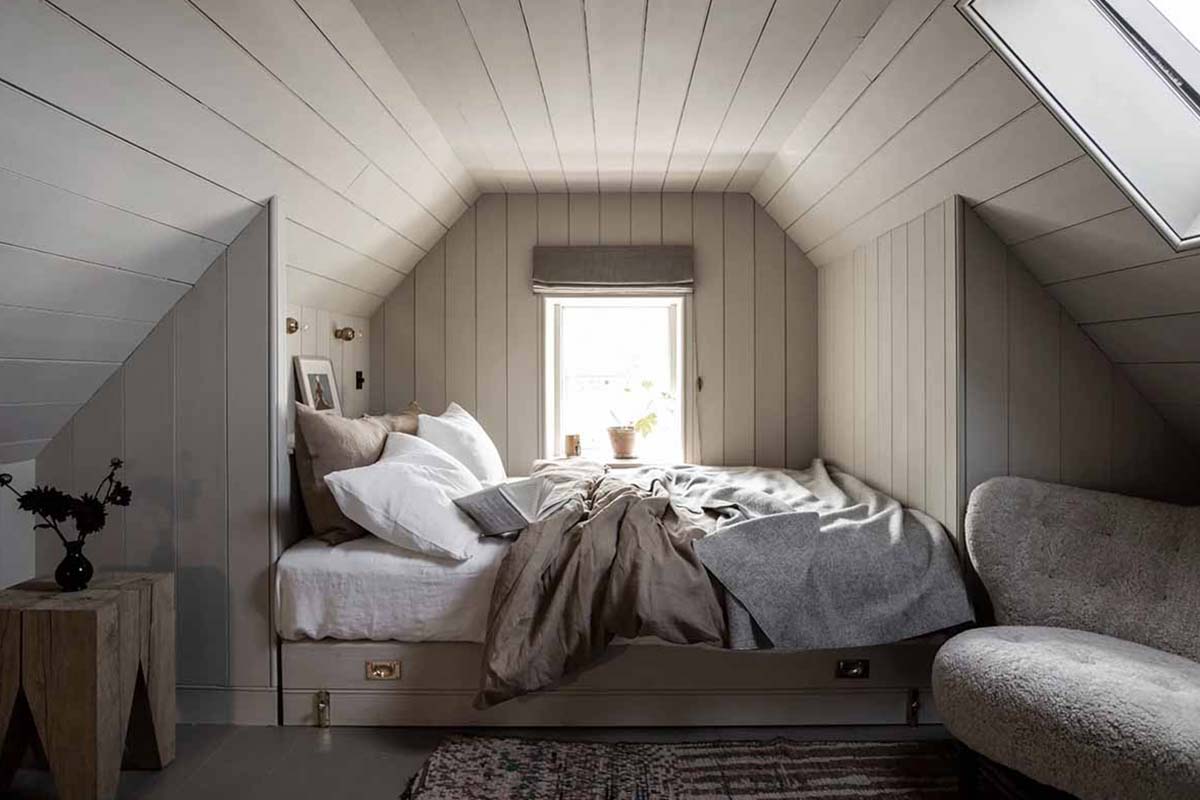
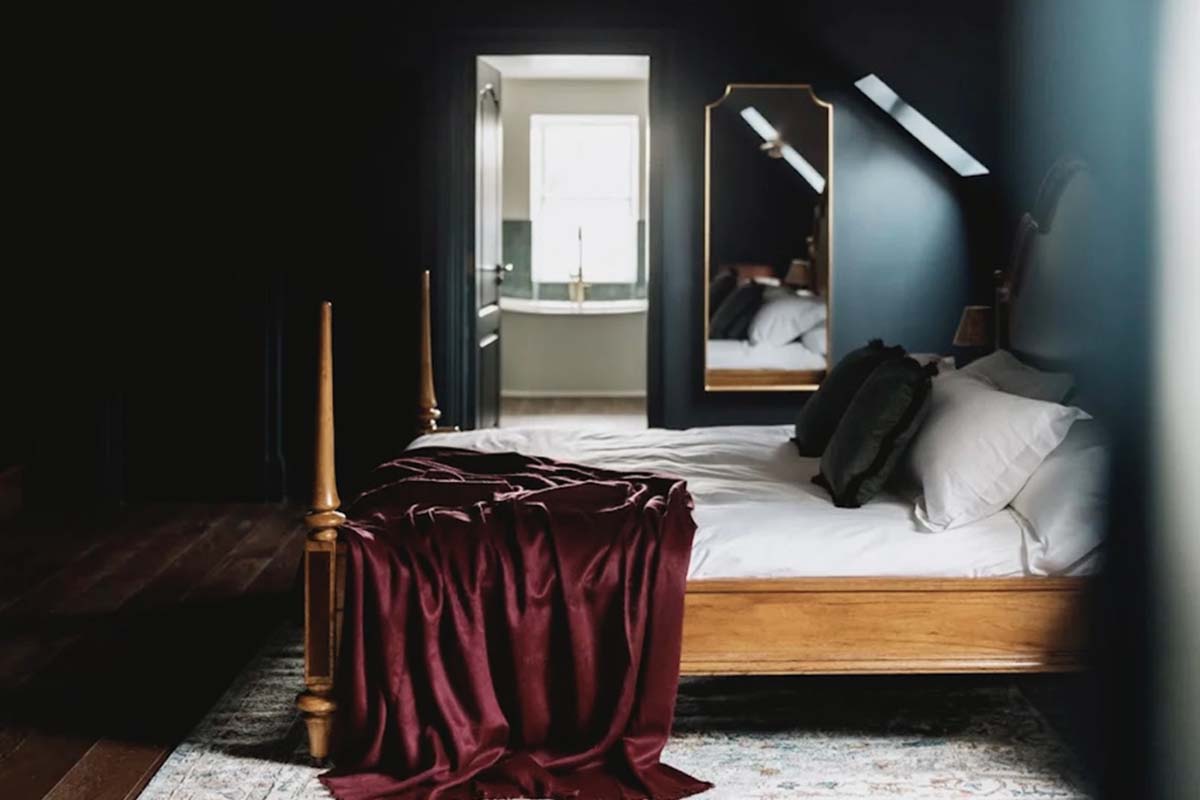
In Kilmartin, the landscape operates on an entirely different timescale. The roads grow quieter still. Time itself seems to slow and deepen. At the head of the glen, Kilmartin Castle has stood watch for nearly five centuries, surrounded by standing stones, ancient hill forts and forgotten burial sites. Thoughtfully restored with both imagination and restraint, the castle has regained an inner life that feels entirely its own. Guests sleep at the heart of this remarkable archaeological landscape, where historic materials meet contemporary touches and fires are lit as evening falls. Days are spent walking through the glen, occasionally plunging into cold waters, and enjoying simple, generous meals, often outdoors when the weather allows. Here, a stay is not confined to a place. It becomes part of the landscape, the history and the quiet rhythm of the glen itself.
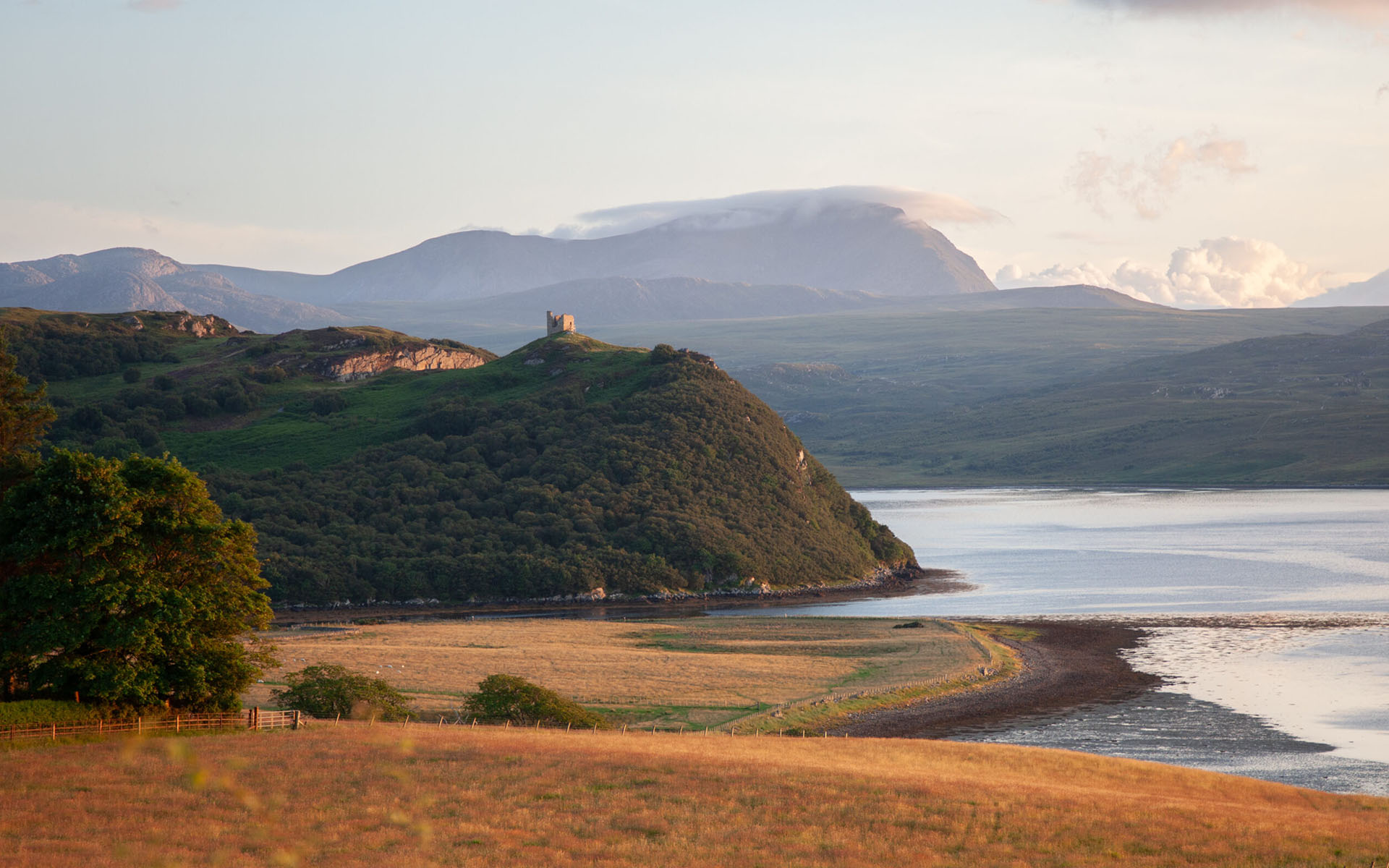
In Tongue, Lundies House is part of the Wildland collection. The house serves as a natural base from which to explore the surrounding landscapes: walking to the ruins of Castle Varrich, climbing higher towards Ben Hope, cycling along the coastline, or pausing on untouched stretches of beach. On some days, the cold water proves irresistible. A brief swim, a paddleboard excursion, or simply a moment spent floating, guided by the light, the weather and the mood of the day. Back at the house, lunch is served around the open kitchen, facing the chefs, with local game and vegetables harvested from the garden. Fires crackle in the hearths. Hygge, without the cliché.
À Tongue, Lundies House appartient à Wildland. La maison sert de point d’ancrage pour explorer les alentours : marcher jusqu’aux ruines de Castle Varrich, grimper plus haut vers Ben Hope, longer la côte à vélo, s’arrêter sur des plages intactes. Certains jours, on entre dans l’eau froide, on glisse en paddle ou on nage brièvement, selon la lumière et le vent. De retour, on déjeune dans la cuisine, face aux chefs, autour d’un gibier local et de légumes du jardin. Des feux brûlent dans les cheminées. Le hygge, sans folklore.
In the evening at Killiecrankie House, dinner unfolds at an unhurried pace. Langoustines meet yuzu and caviar in a cuisine that is precise and deeply considered, yet never loses sight of pleasure. Later, the sun begins its descent over the Cairngorms. The contours soften, colours fade one by one, and the landscape settles into silence. You remain outside a little longer, saying nothing at all. There is nothing left to add.
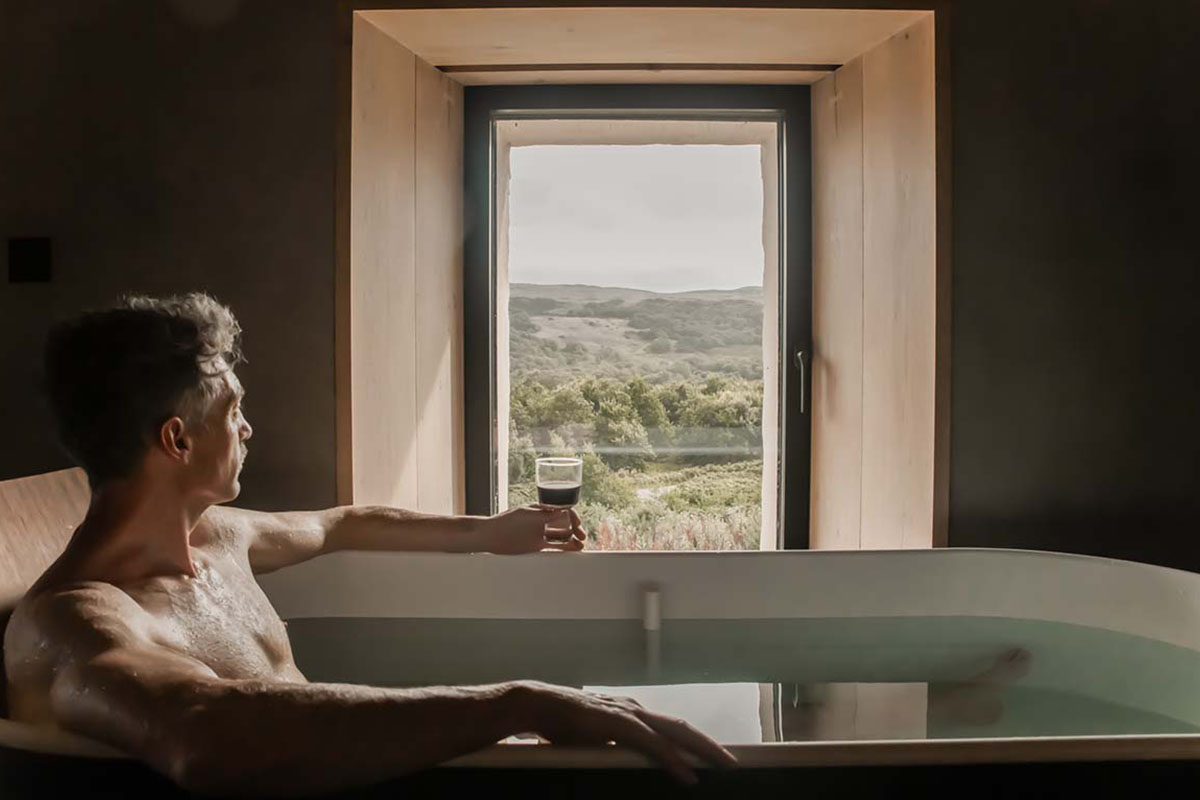
A little further along, Kyle Cottage is not a hotel but a house at the end of the road. A waterside retreat designed for slow evenings and unhurried days. You arrive with very little and quickly realise you need even less. There is no programme to follow, no schedule to keep. The body unwinds in a hot bath, a glass of wine in hand, while your gaze drifts across the bay. The light lingers late into the evening. Night settles quietly, without announcement. What remains is not a single vivid image, but a lasting feeling, the rare sense of having been exactly where you were meant to be.


The story
“There are journeys that are not meant to be told, they are meant to be driven. Scotland is one of them. You set off without a precise plan, following the road as it unfolds. You stop, you linger, you move on. The light does the rest. And after a few days, you begin to understand that it was never really about the destination, but about who the journey allowed you to become along the way.”
— Olivier Weisse
Localisation
Tempted by a tailor-made road trip through the Scottish Highlands? With Weisse taking care of every detail, all that remains is to take the wheel and follow the road wherever it leads. A car chosen for the northern light, homes and hideaways selected one by one, thoughtful detours crafted around your interests, and silence as your constant travelling companion. Ready to slow down, just to keep moving?