
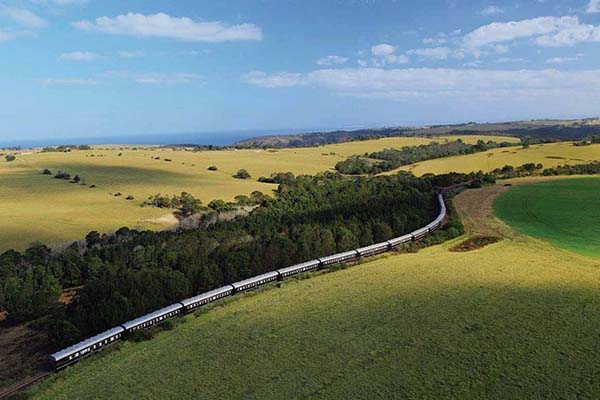
Fly me to... Africa by rail
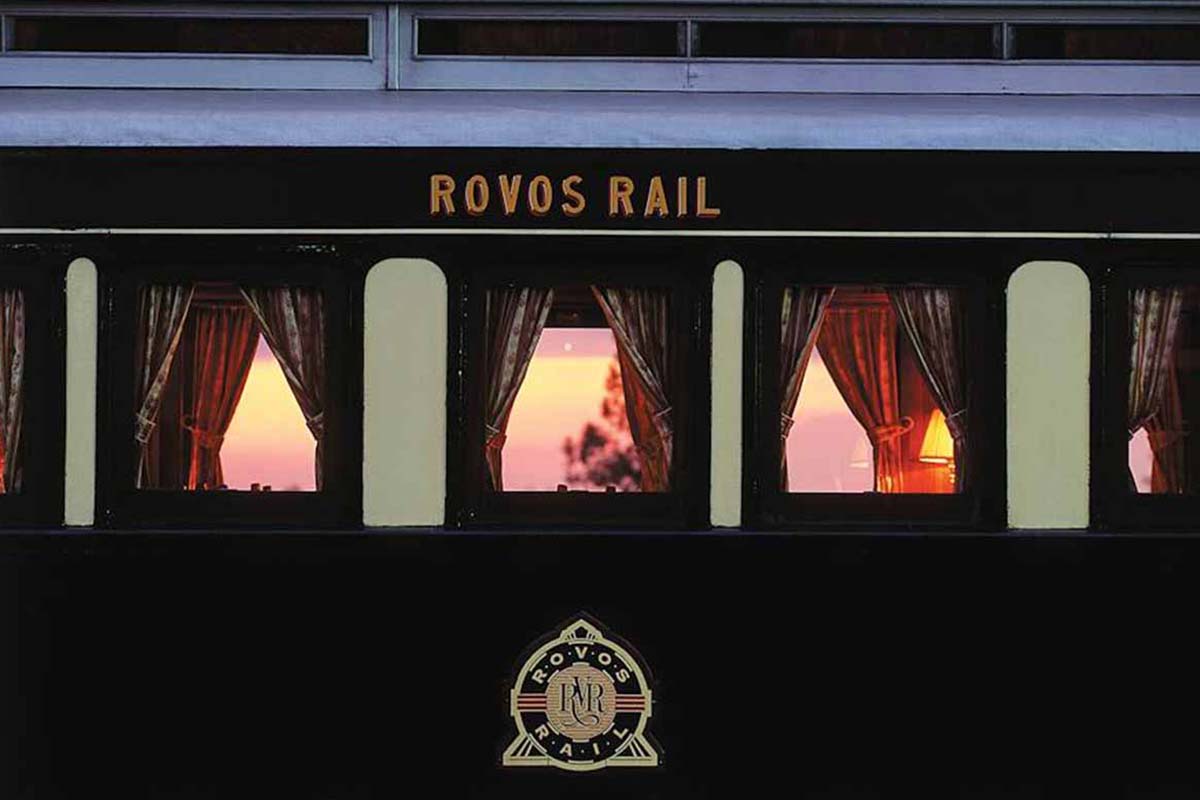
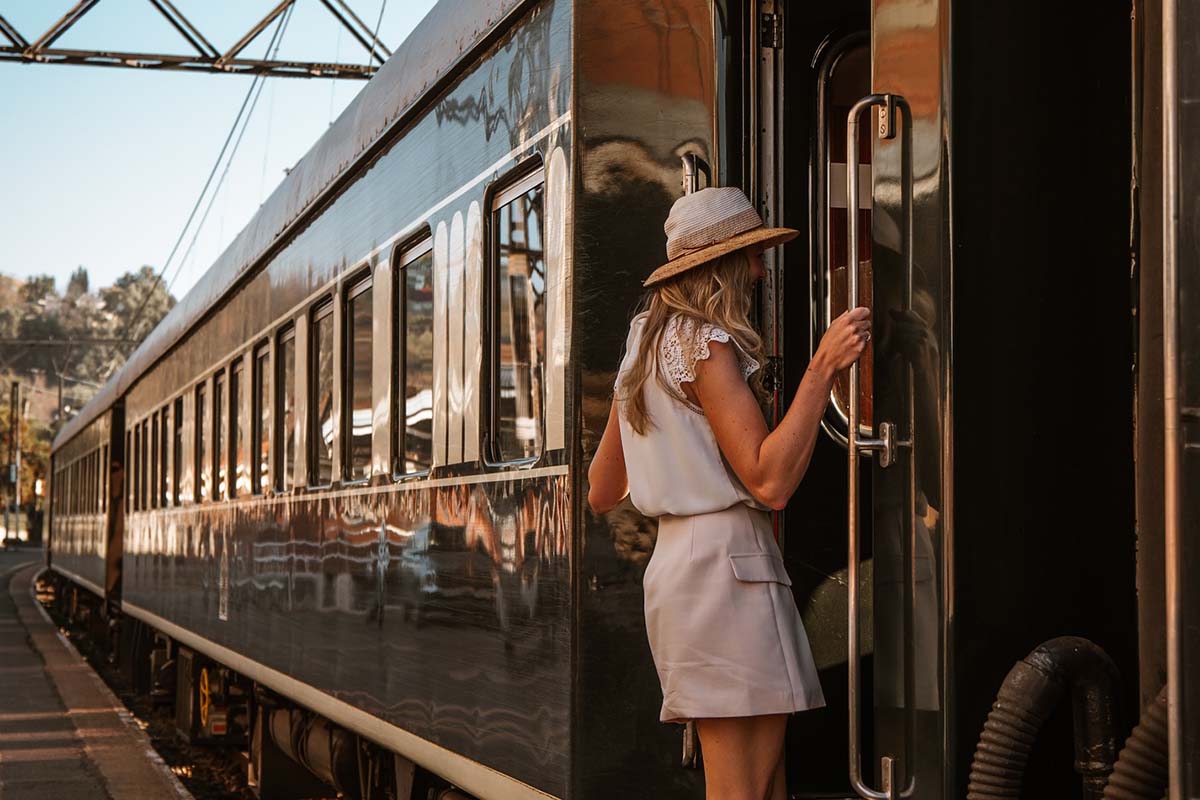
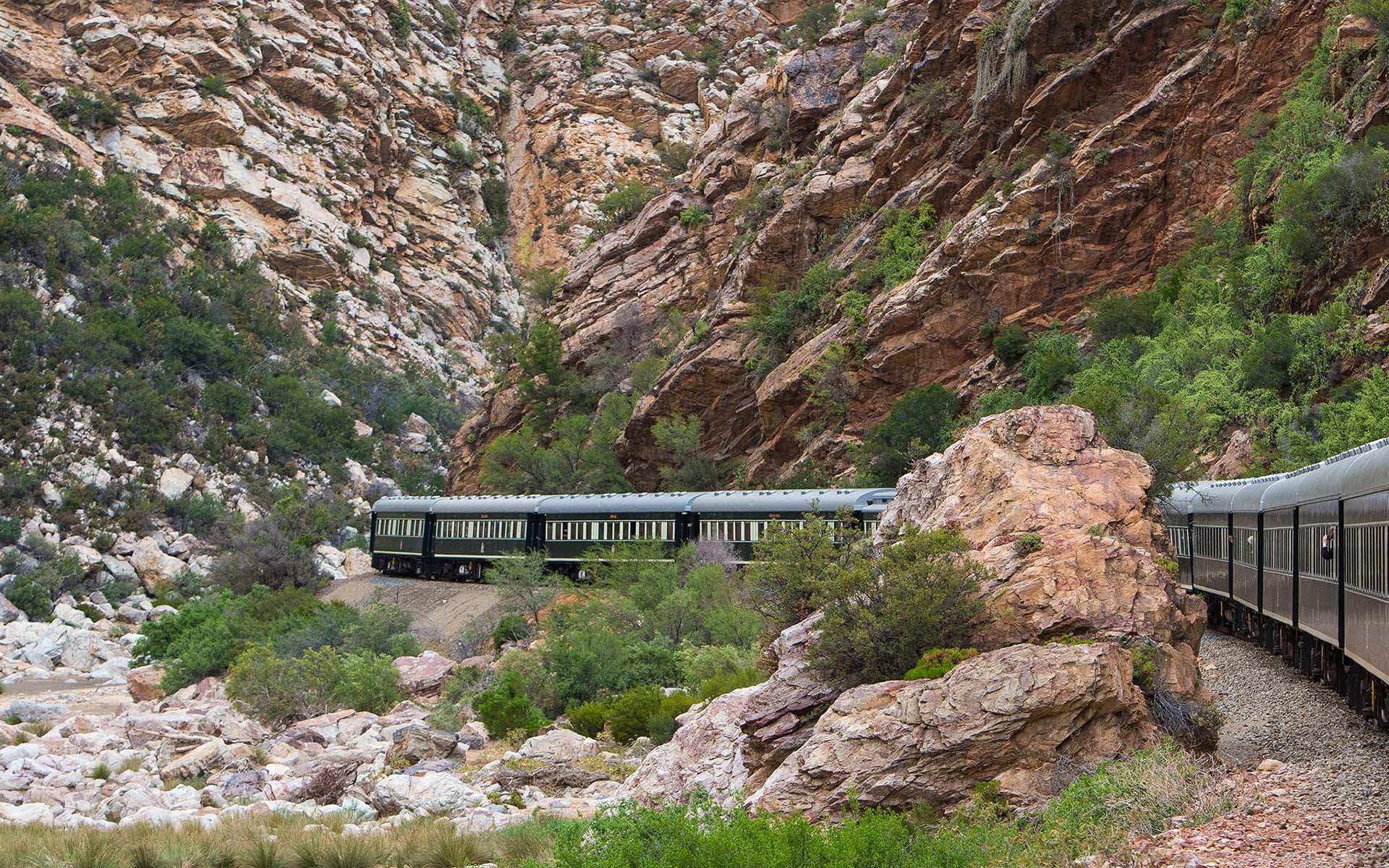
When we board the Rovos Rail in Cape Town, a few passengers are already heading towards the observation car, drawn to the open balcony at the rear of the train. We are a small group, mostly couples, all here for a rail crossing from southern Africa towards the East. The journey lasts sixteen nights, linking Cape Town to Dar es Salaam across more than 5,500 kilometres of track.
The train leaves the city without announcement. At first, the movement is almost imperceptible. Then the platforms fall away. Cape vineyards slide past the windows. Everyone quickly finds their rhythm. Some remain at the back, others retreat to their suite, a glass of South African wine in hand.
AT A SLOWER PACE ACROSS AFRICA
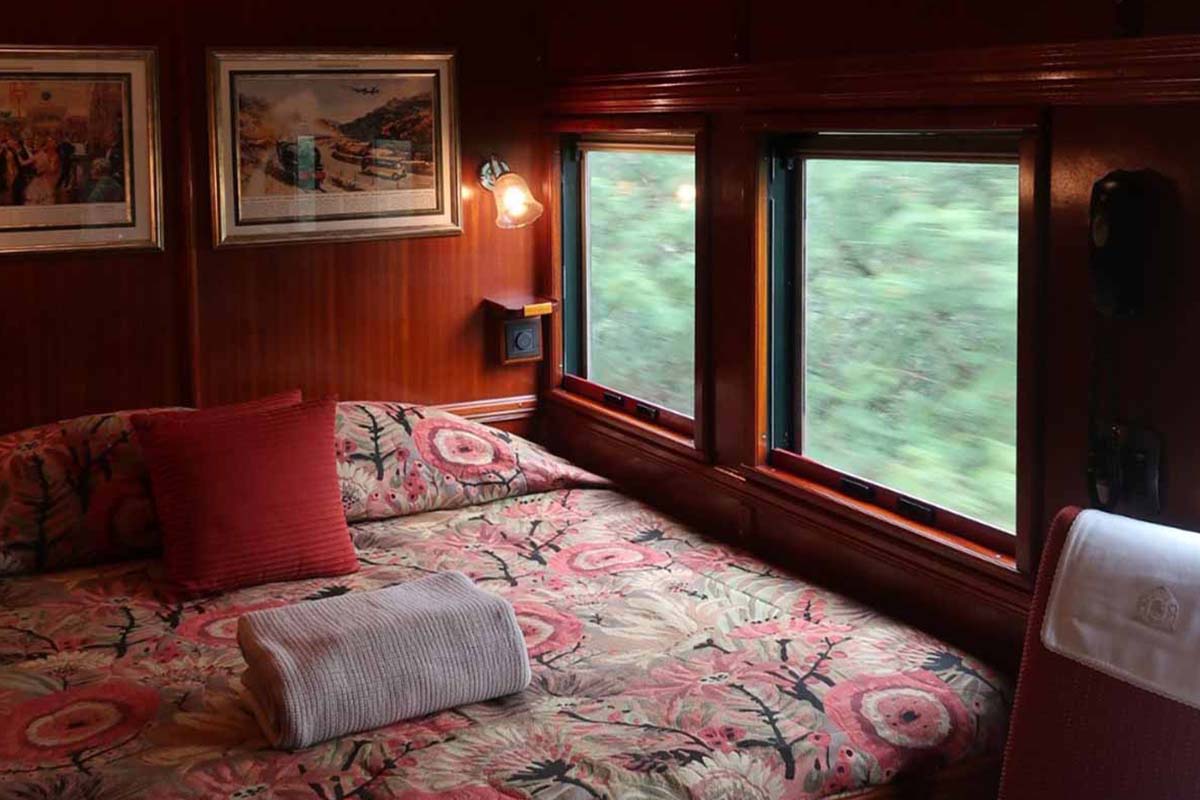
Mornings soon find their cadence. Breakfast is delivered to the cabin on a discreet tray. Tea or coffee, bread, fruit, fine porcelain. We eat in bed, curtains half drawn, as the landscape passes without commentary. There is no strict schedule. The train moves forward. That is enough.
At a time when Africa is mostly crossed by air, time on board stretches. Days unfold without a fixed programme. A card game in the lounge, a slow walk to the observation car, brief exchanges with the crew.
When asked, someone mentions a line, a region, a stop ahead. Nothing is rehearsed. Nothing is staged.
We love Africa by rail for…

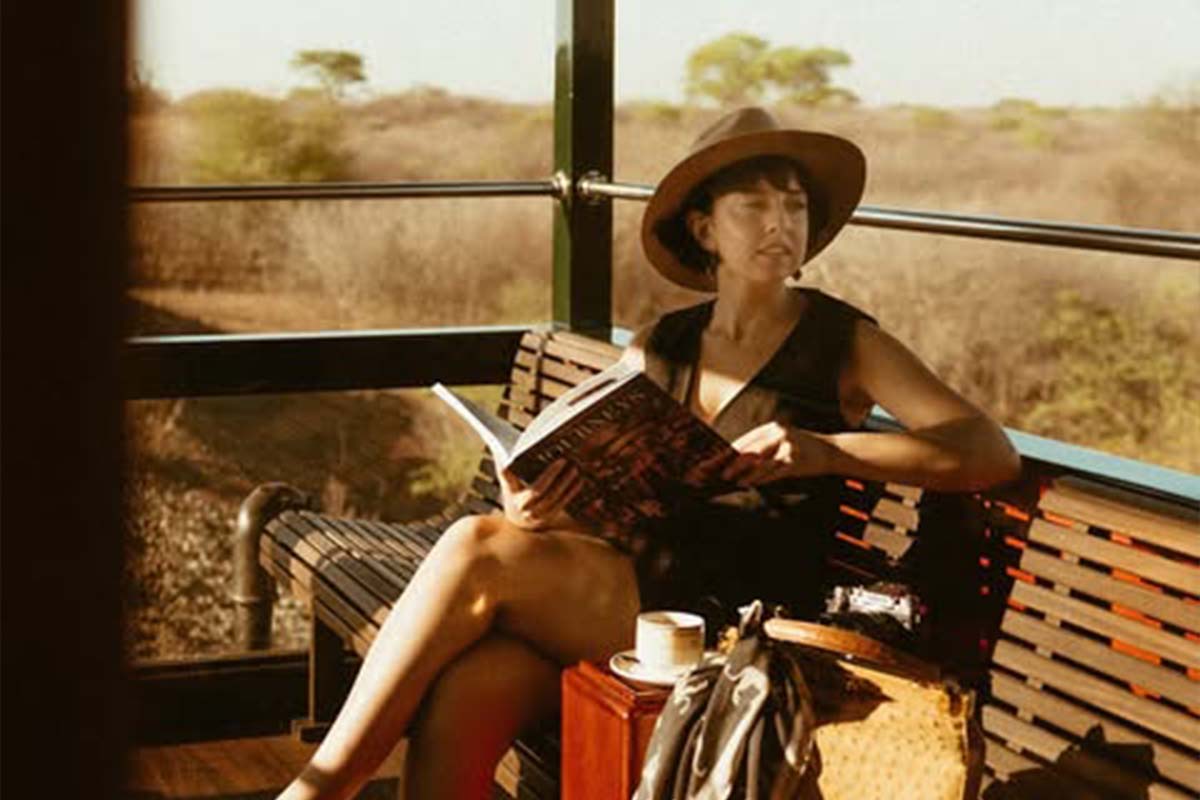
From the rear balcony, Africa reveals itself without choreography. From Cape vineyards to the red earth of Tanzania, everything happens at eye level. No filters. No acceleration. Just the railway line and what surrounds it.
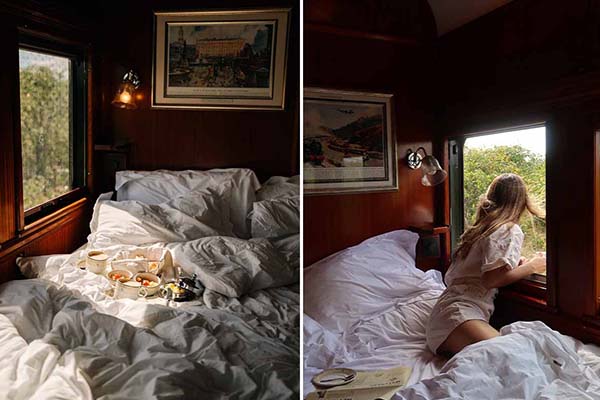
A tray resting on crisp sheets, warm porcelain, tea gently steaming. Curtains half open, morning light filtering in. The landscape moves without urgency. The day begins exactly there.
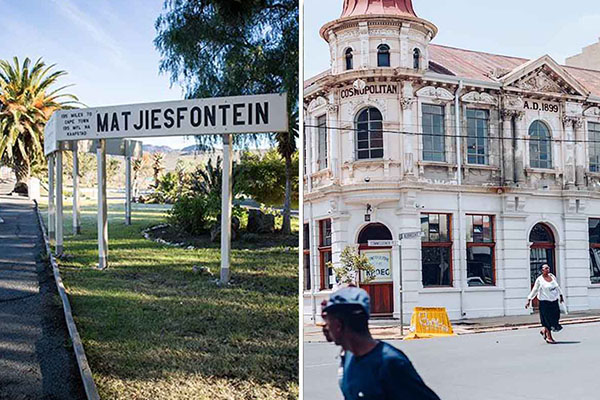
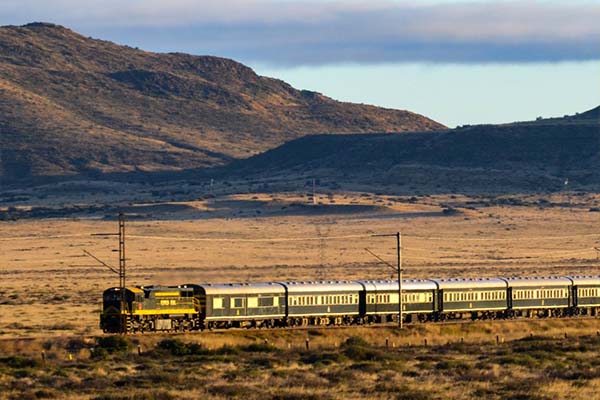
The first days cross the vast, mineral Karoo, followed by a stop in Matjiesfontein, a railway village frozen in time. Further north, Kimberley and the Big Hole offer a direct reading of South Africa’s mining history, before reaching Pretoria, a key junction of the journey. A short visit places the capital back into its railway and political context. The train is resupplied. The crew rotates. The rhythm remains unchanged.
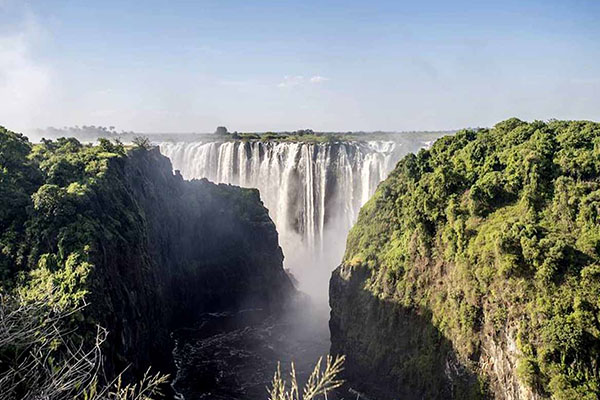
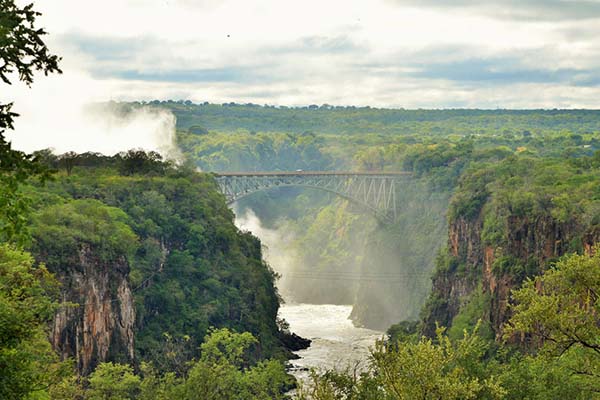
The train crosses the Limpopo, Botswana, then Zimbabwe. At Victoria Falls, we stop. The eye meets a wall of water and mist, dense and continuous. Sound fills the air. In Zambia, a short walk leads to the Chishimba Falls. Water appears without preamble, deep within the vegetation. Further on, from the Kafue bridge, the river stretches wide below. Three distinct viewpoints. The same sense of scale and force.
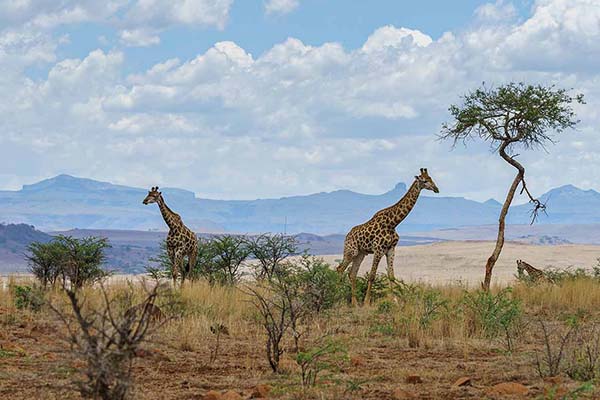
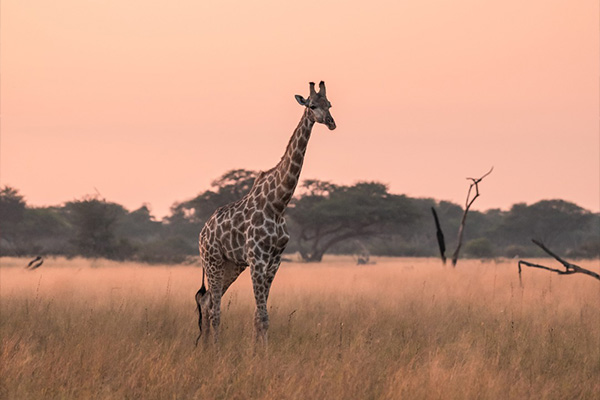
In Nyerere National Park, wildlife observation happens at a respectful distance. Animals appear, then vanish. Nothing is forced. Silence is part of the experience.
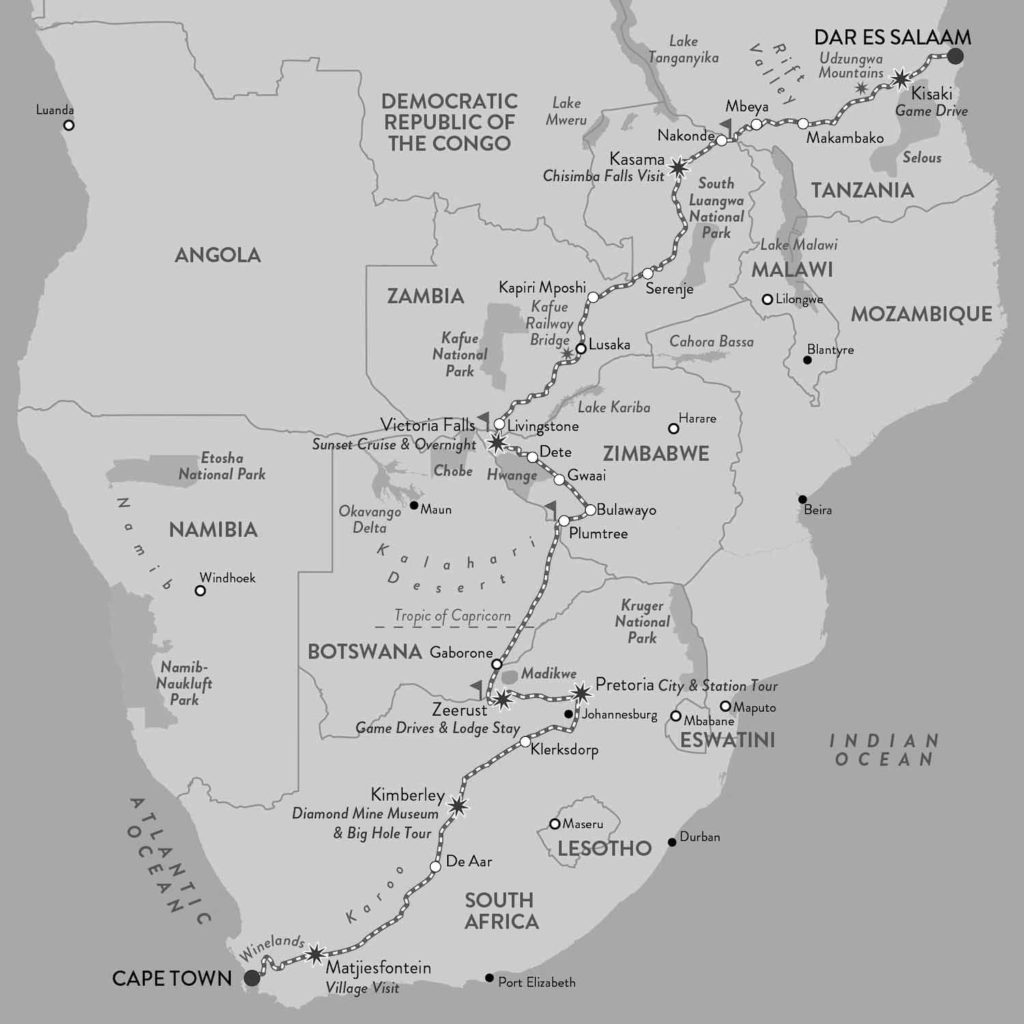
FROM CAPE TOWN TO DAR ES SALAAM
Weisse’s selection
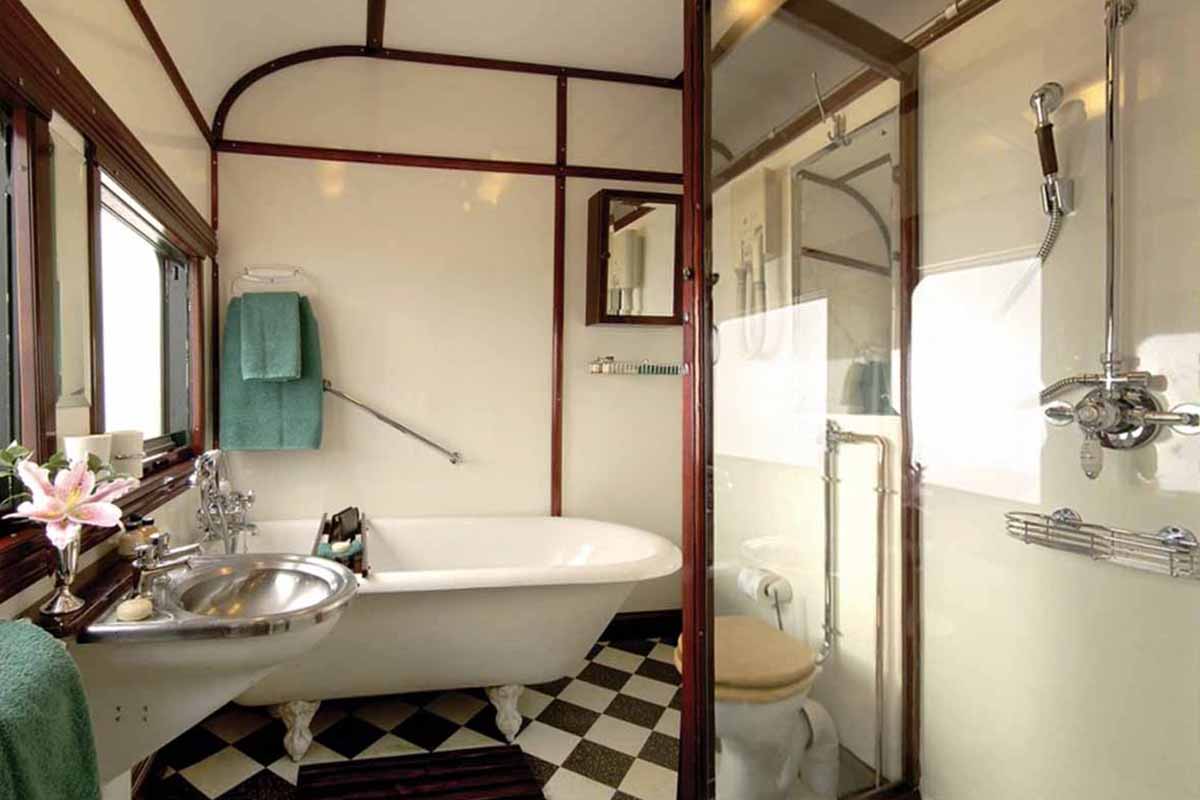
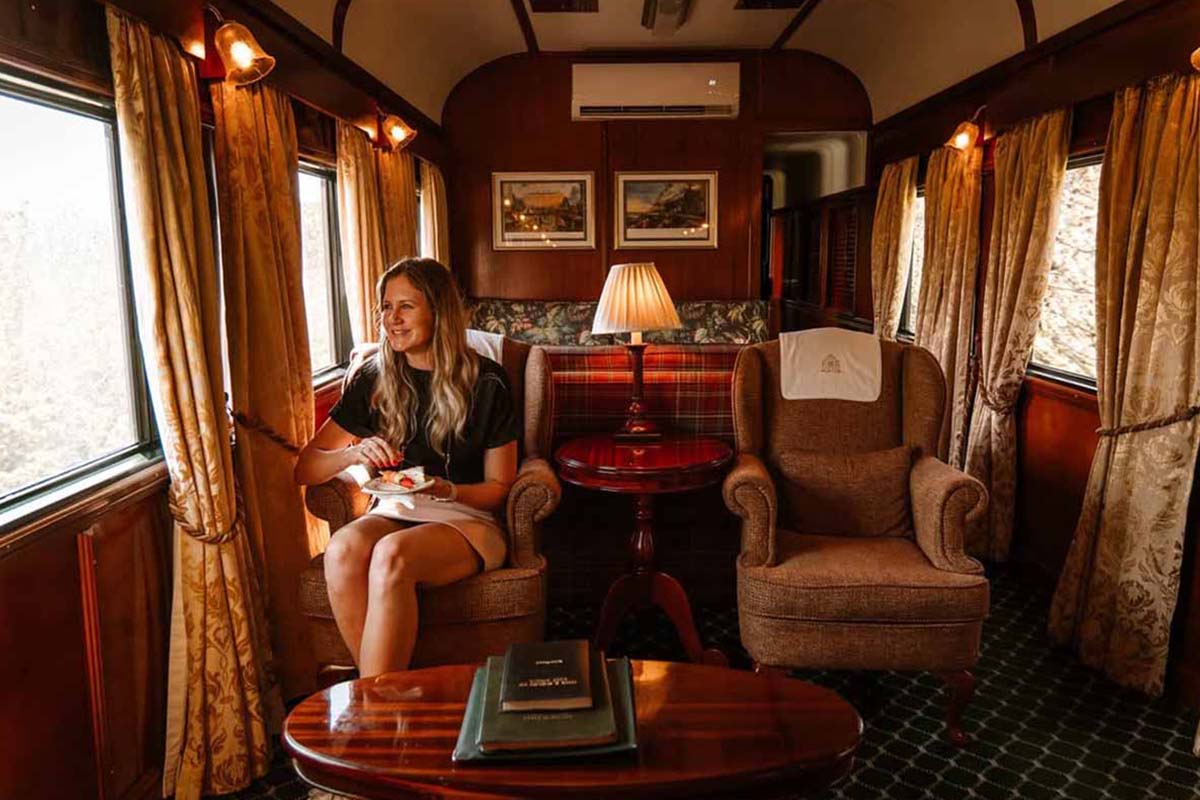
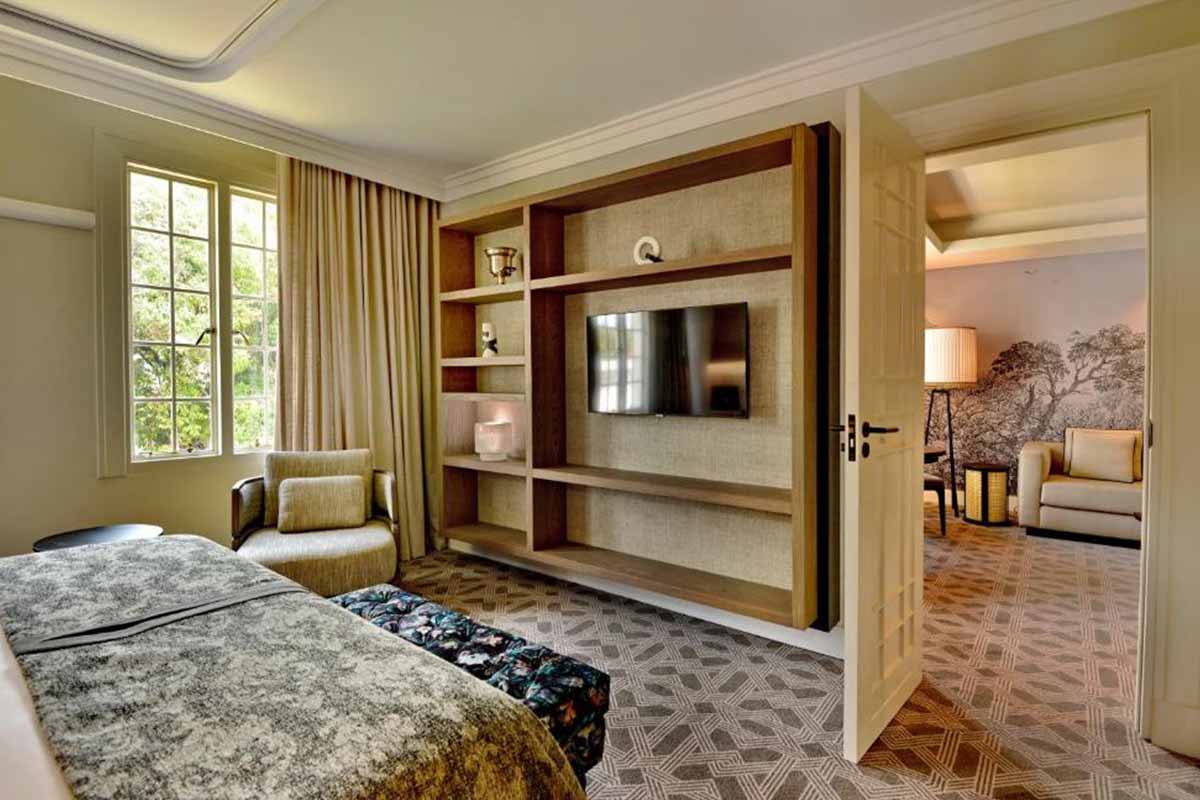
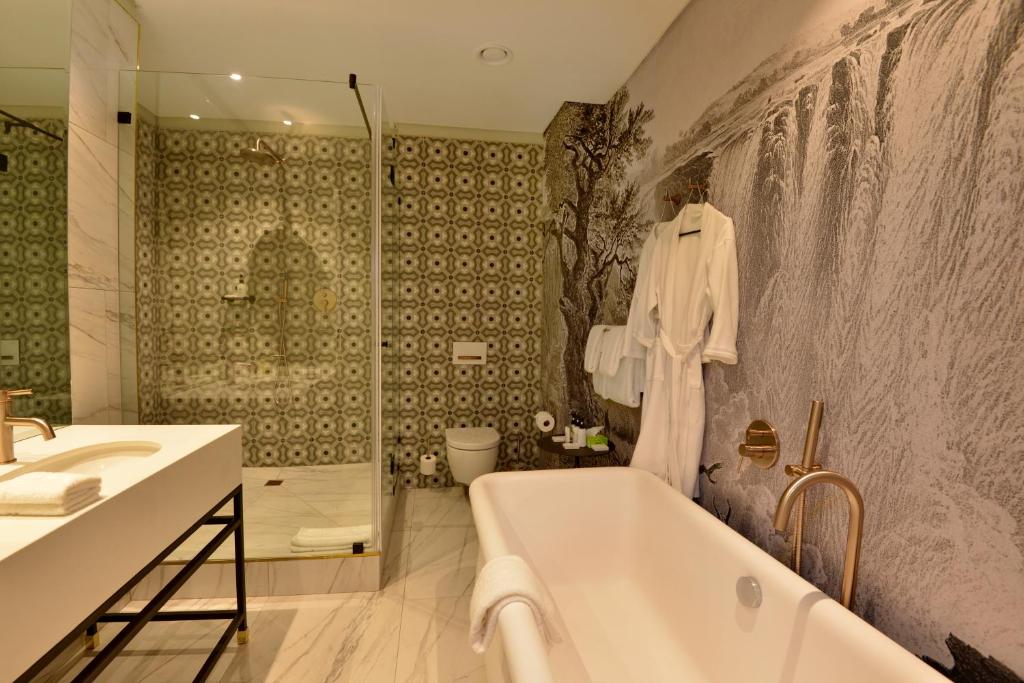
The restored sleeping cars house Royal Suites of around 16 square metres, each occupying half a carriage. Wood panelling, a private sitting area, a bathroom with Victorian bathtub, a separate shower, double or twin beds. The train becomes a familiar setting. Gestures repeat without fatigue. Landscapes pass like long takes. Slowly, days stop being counted.
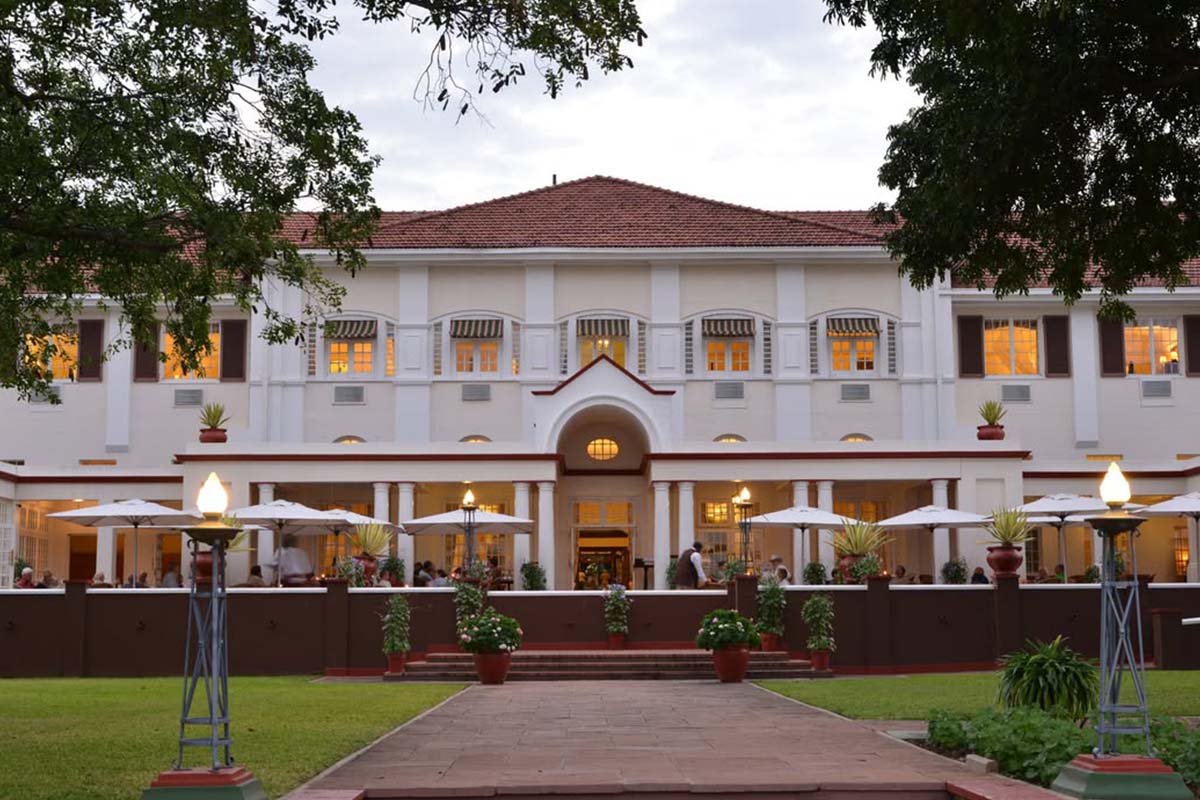
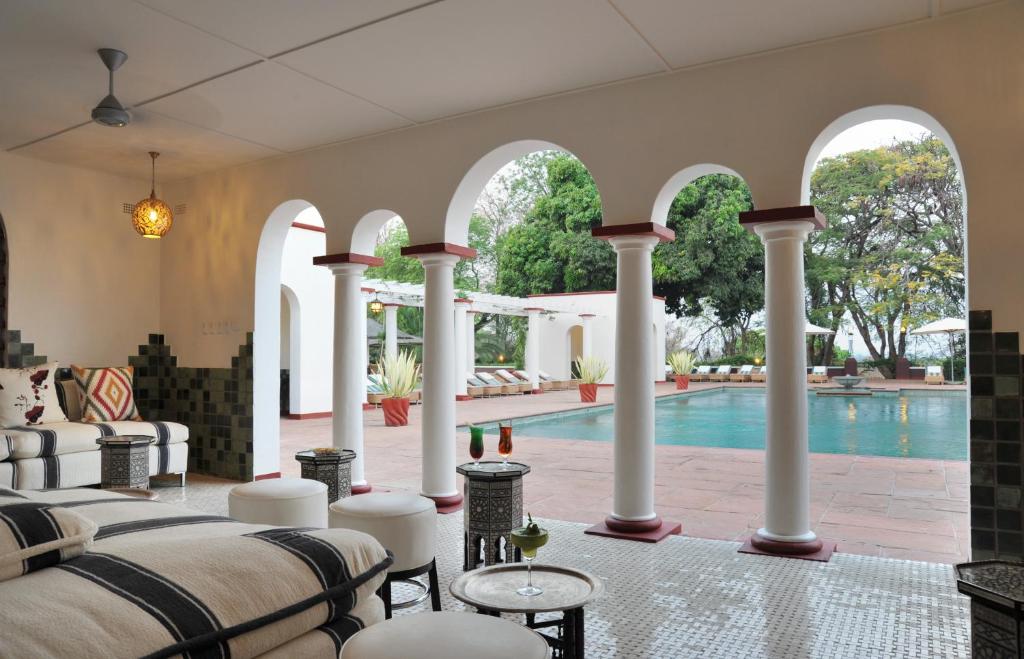
Set facing the falls, the hotel retains the elegance of another era. Open verandas, manicured gardens, classical lines. You arrive for the night, you stay for the view. Mist rises in the distance, the sound of water drifts through the air. The place never overstates itself. It acts as a pause, a threshold, before the journey continues.


The story
“The journey leaves no single dominant scene, but a sequence of moments: breakfasts facing the tracks, hours spent standing on the balcony, kilometres absorbed without haste. On board the Rovos Rail, Africa is not summarised. It is crossed, at its own pace.”
— Olivier Weisse
Localisation
Looking to cross Africa differently, without reducing it to a checklist of stops?
With Weisse Voyages, travel is shaped through rhythm, precision, and attention to detail. Let the train move forward. We will take care of the rest.