
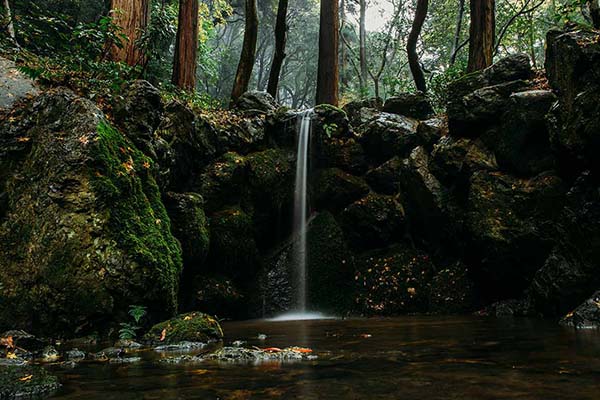
Fly me to... The land of Light
There are countries where light makes itself felt immediately, as if it had chosen to initiate you before you even set down your bags. Japan is one of those places that reveal themselves in flashes. A rain-polished footbridge in Osaka. Steam rising from tea in the early morning. A discreet beam of light on Kyoto façades. A deer standing still in the moss of Nara. From Osaka to Tokyo, the journey becomes a sequence of contrasts: temples and neon, inner calm and sudden speed, slow gestures and choreographed crowds. You move through this country like a film whose ending you do not yet know, yet every frame reassures you that you are exactly where you should be.
Japan in chiaroscuro
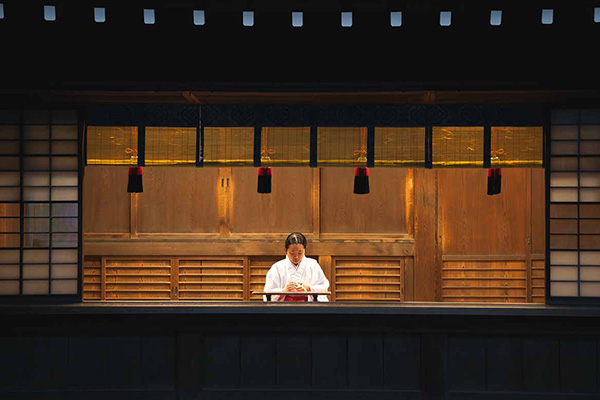
What strikes you in Japan is not so much what you see, but how everything is held together. A discipline of the gaze. An economy of gesture. Nothing is ever left to chance, yet nothing is ever overstated. This aesthetic of restraint, described by Jun’ichirō Tanizaki in In Praise of Shadows, runs quietly through the country. It appears in architecture, in cuisine, in the way people move among one another. Travel becomes an experience of adjustment.
You learn to lower the volume, to leave space, to accept emptiness as part of the landscape.
We love the Japon for…

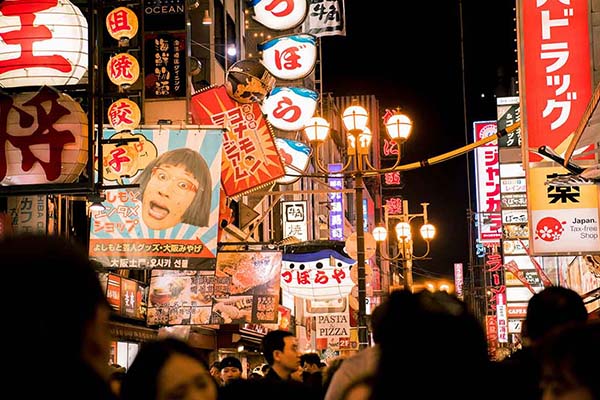
Crossing the vast halls of Umeda, following precise flows, feeling the urban mechanism operate without friction. In Osaka, the city is learned through movement. Corridors, connections, neon lights, and the vapours of dashi drifting through Dōtonbori form a first reading of Japan. Dense, controlled, almost hypnotic. A direct way of understanding that here, energy is a form of order.
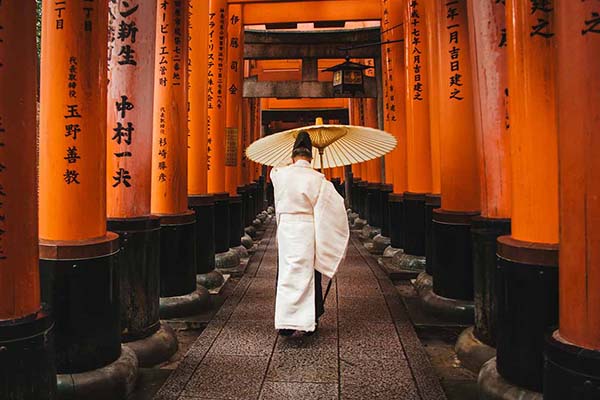
In Kyoto, everything unfolds in the smallest details. A young maiko passing by. A glimpse of silk from a kimono. The moss-covered stones of Nanzen-ji temple. Later, in a tiny sushiya, twenty precise gestures are enough to shape an almost immaterial hirame sashimi. Japan excels in this aesthetic of restraint. Every detail matters. Nothing is decorative. Everything is intentional.
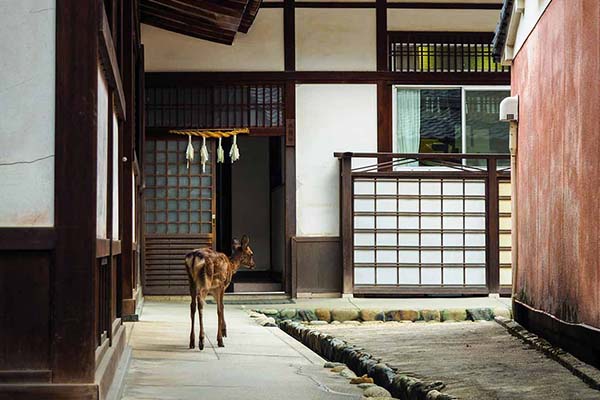
In Nara, deer move freely, indifferent to human time. Their presence soothes, imposing a different relationship with the world. Entering the Great Buddha of Tōdai-ji feels like stepping into a space beyond scale, where silence becomes architecture. Here, the coexistence between humans, animals and the sacred is not narrated. It is practiced.
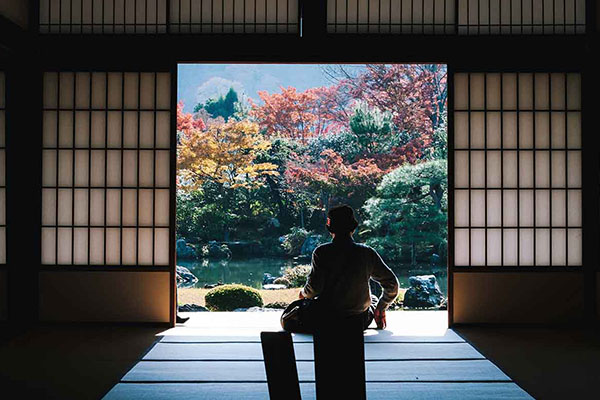
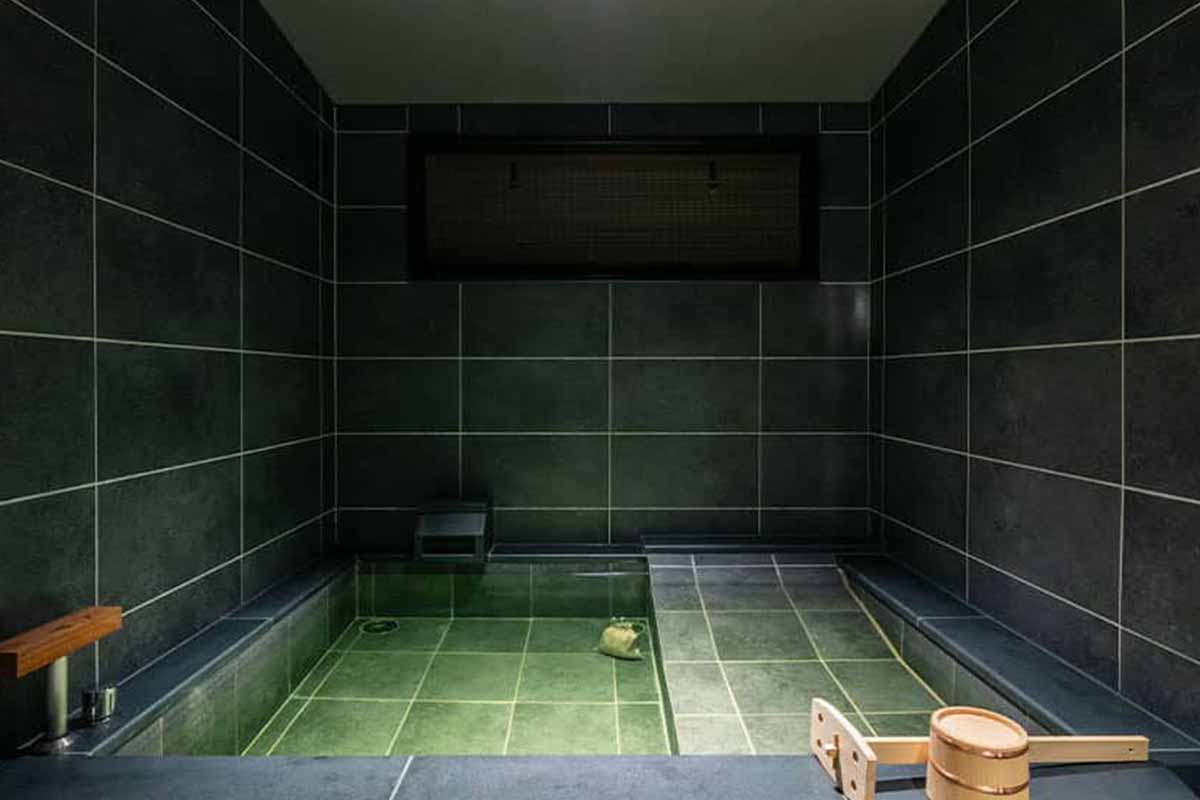
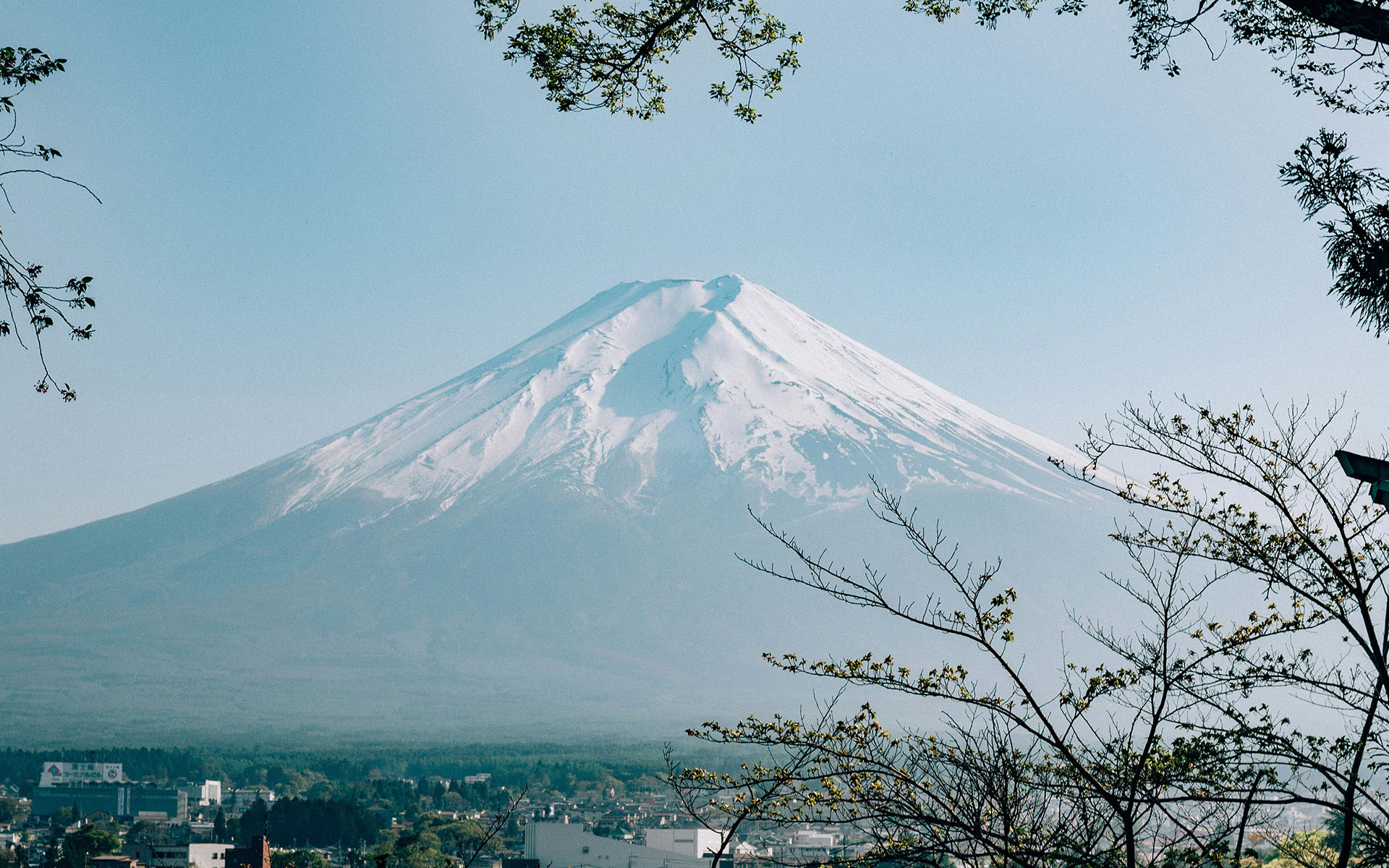
In Hakone, the body takes over. Outdoor baths, rising steam, dark wood, mountain stillness. Time stretches naturally. Later, paths lead toward Lake Ashi, where you wait without haste for the diffuse silhouette of Mount Fuji to appear between breaks in the clouds.
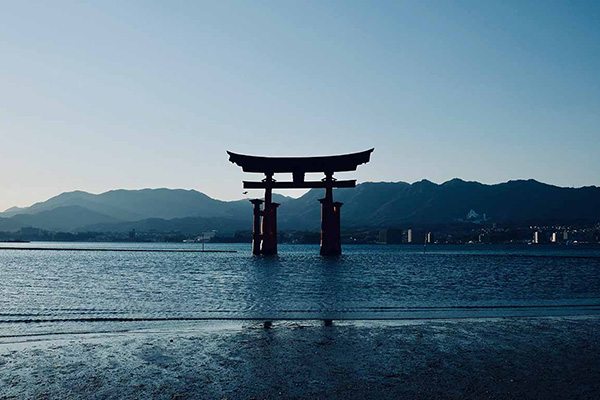
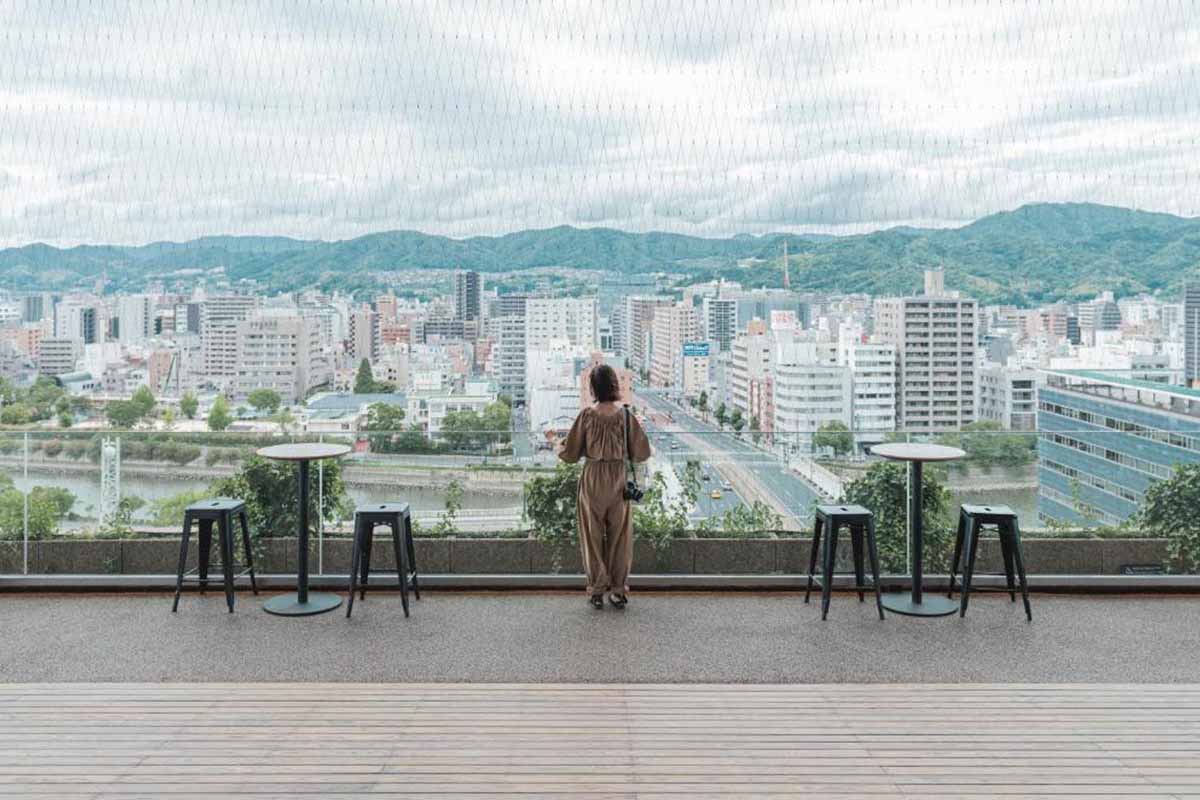
Hiroshima asks you to look differently. The Peace Memorial, the archives, the faces leave a lasting mark. And yet, the city does not confine itself to the weight of the past. Gardens, water and restrained gestures reintroduce a fragile softness. Japan shows here its rare ability to hold gravity and calm together, without ever simplifying.
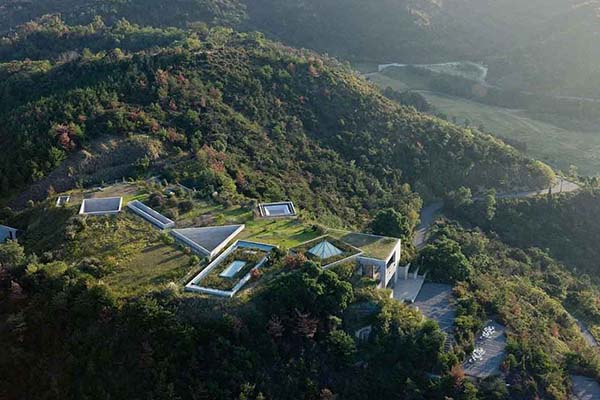
On Naoshima, art does not impose itself. It accompanies the walk. The underground path of the Chichu Art Museum, the Benesse House Museum, then the coastal trails leading to Millennium Olive Terrace create a continuous dialogue between creation and landscape. Here, art is not only observed. It is traversed.
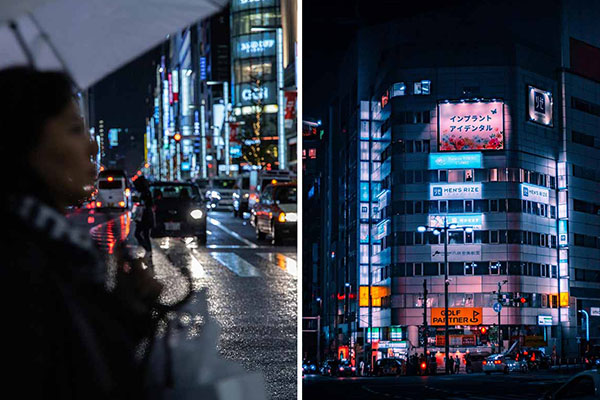
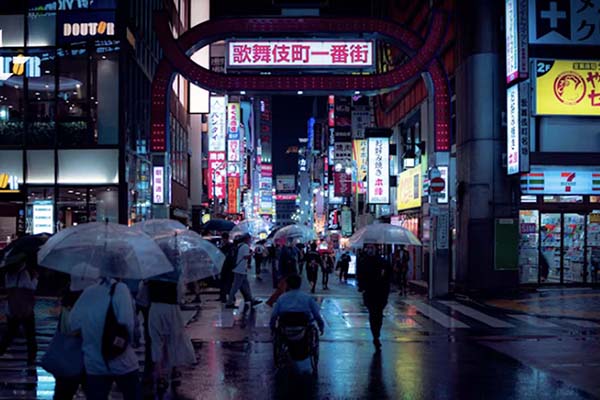
Because some megacities are experienced in sequences. In Tokyo, neighbourhoods unfold like cinematic frames. A quiet alley in Shimokitazawa. A silent bookstore in Jimbocho. A dense crowd gliding without friction. Everything shifts, without rupture. The city is not contemplated from a single vantage point. It is crossed, piece by piece, with that rare sensation of perfectly orchestrated chaos.
Weisse’s selection
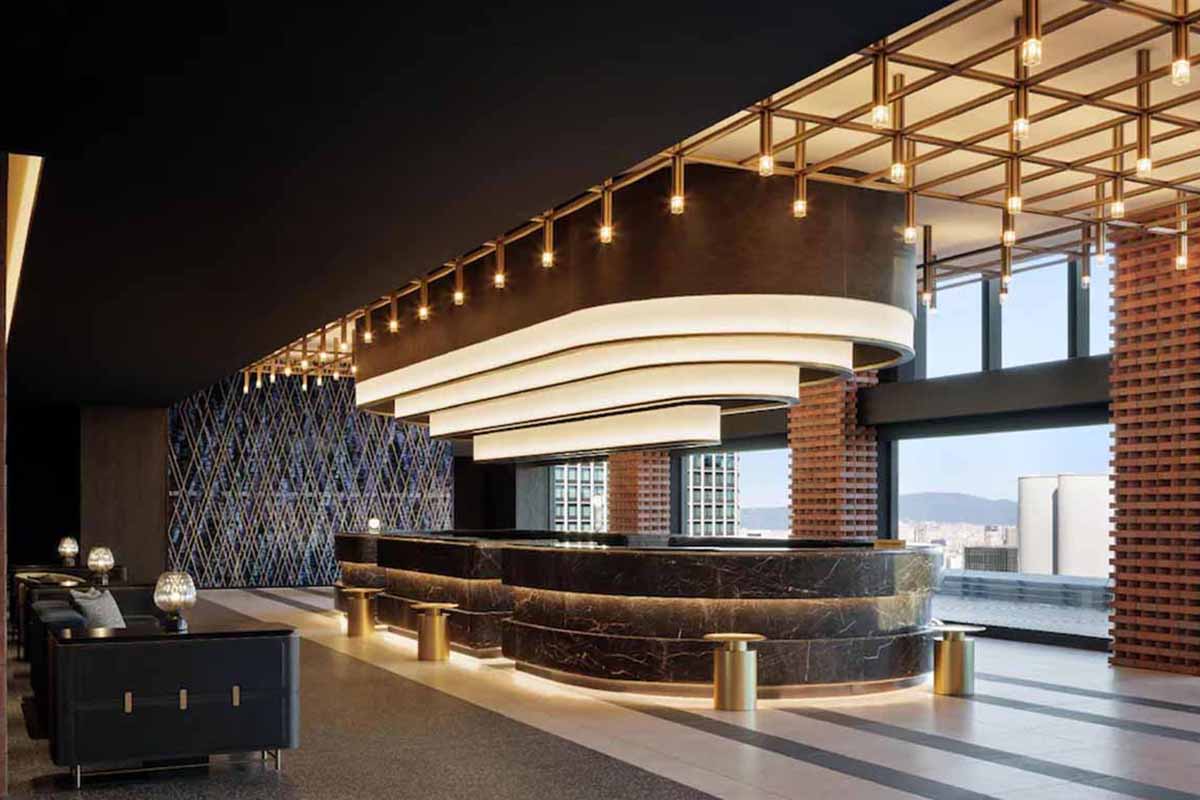
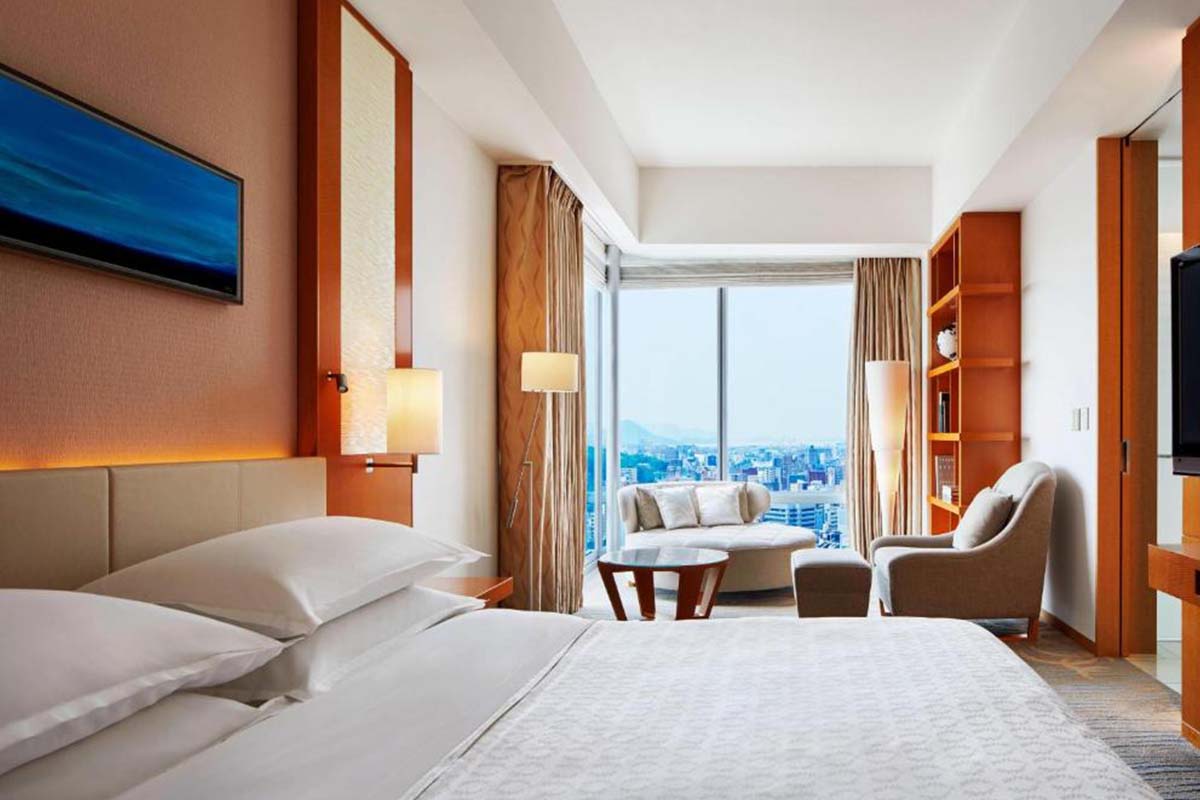
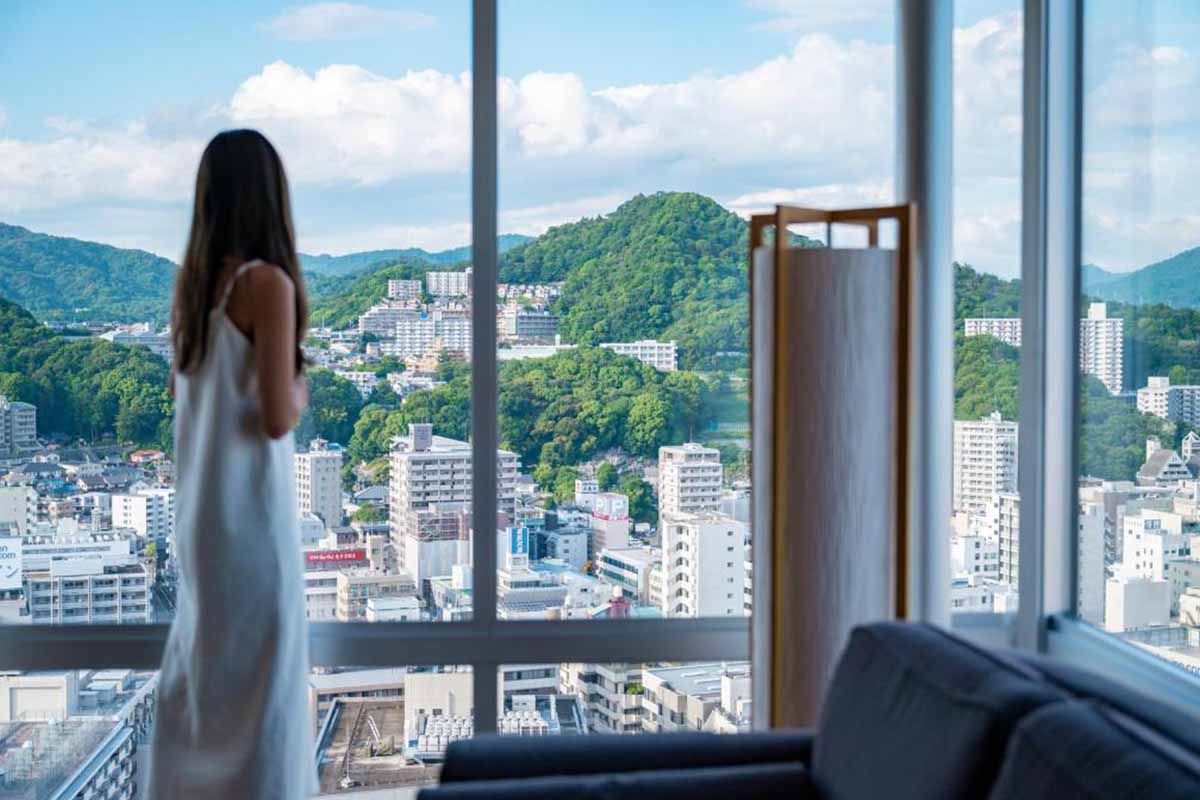
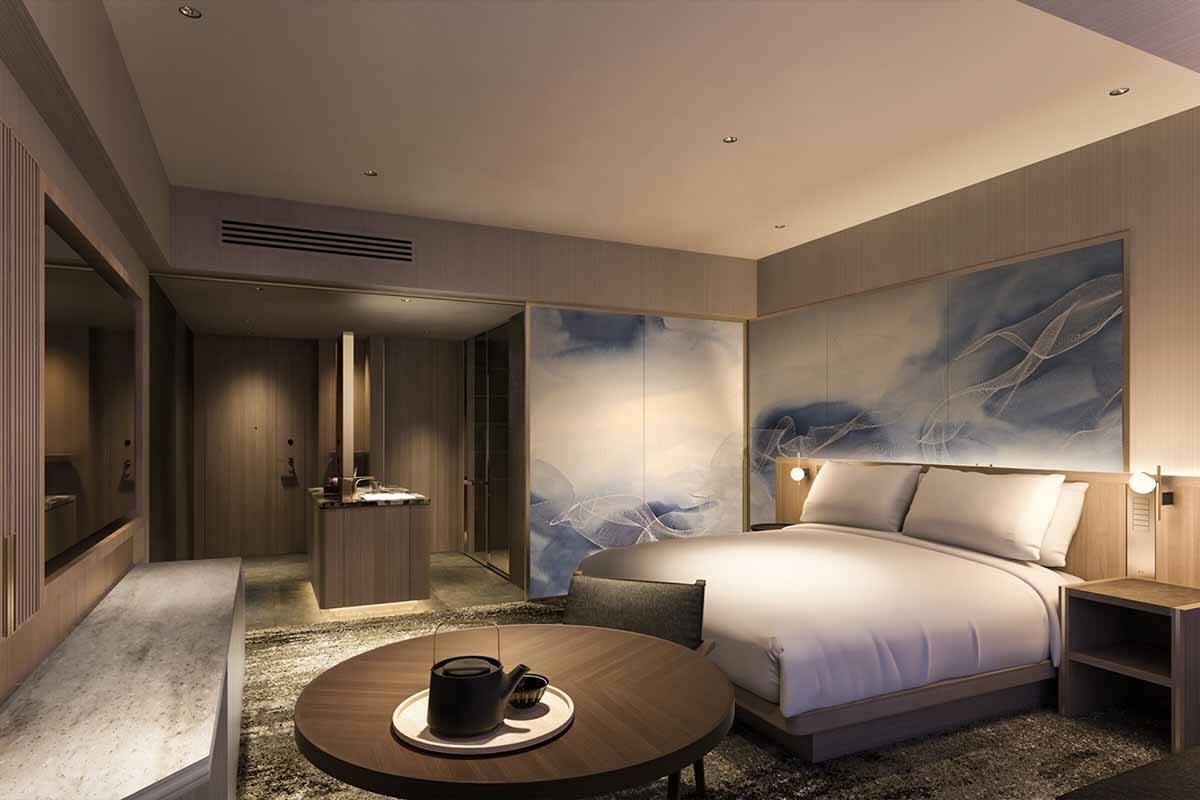
Perched above the rail flows, the hotel uses height as a filter. Inside, light woods, polished stone, neutral textiles and controlled light create a calming, almost graphic atmosphere. The rooms, spacious and silent, offer panoramic views over the moving city. The ofuro, conceived as a ritual rather than an amenity, extends this idea of urban luxury that observes without ever being overwhelmed.
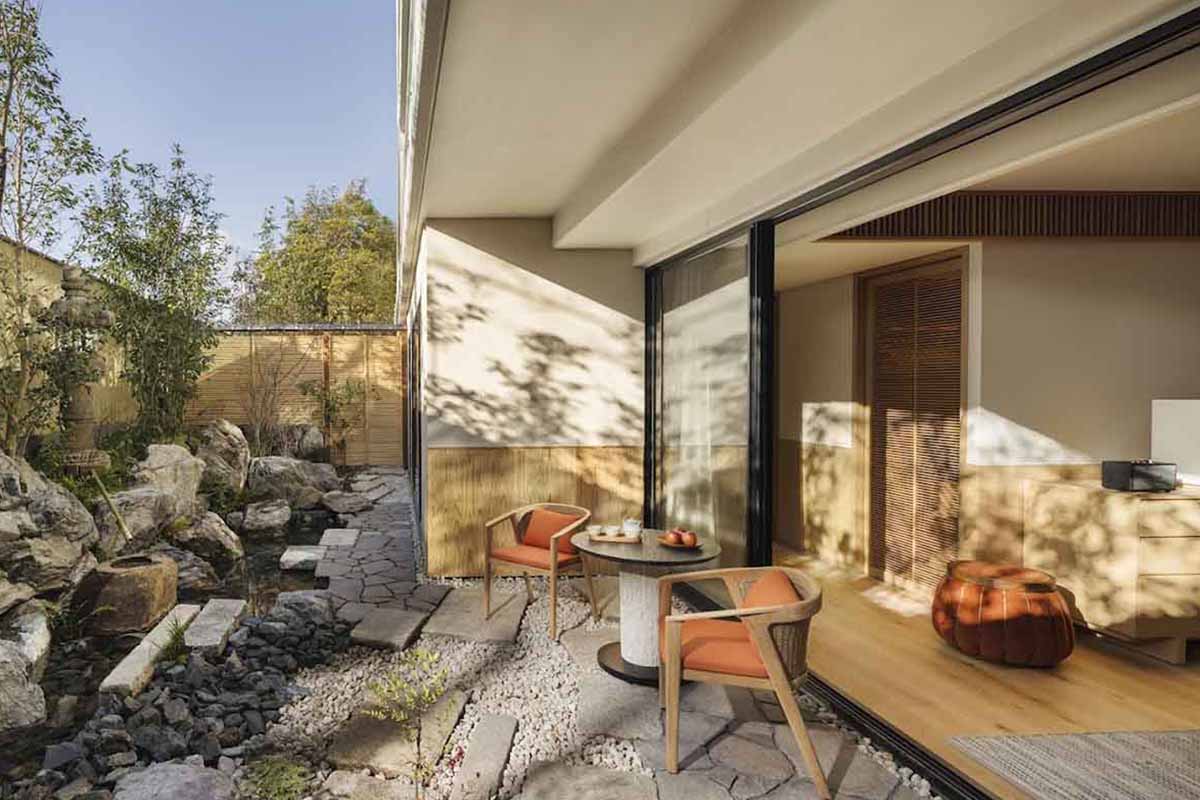
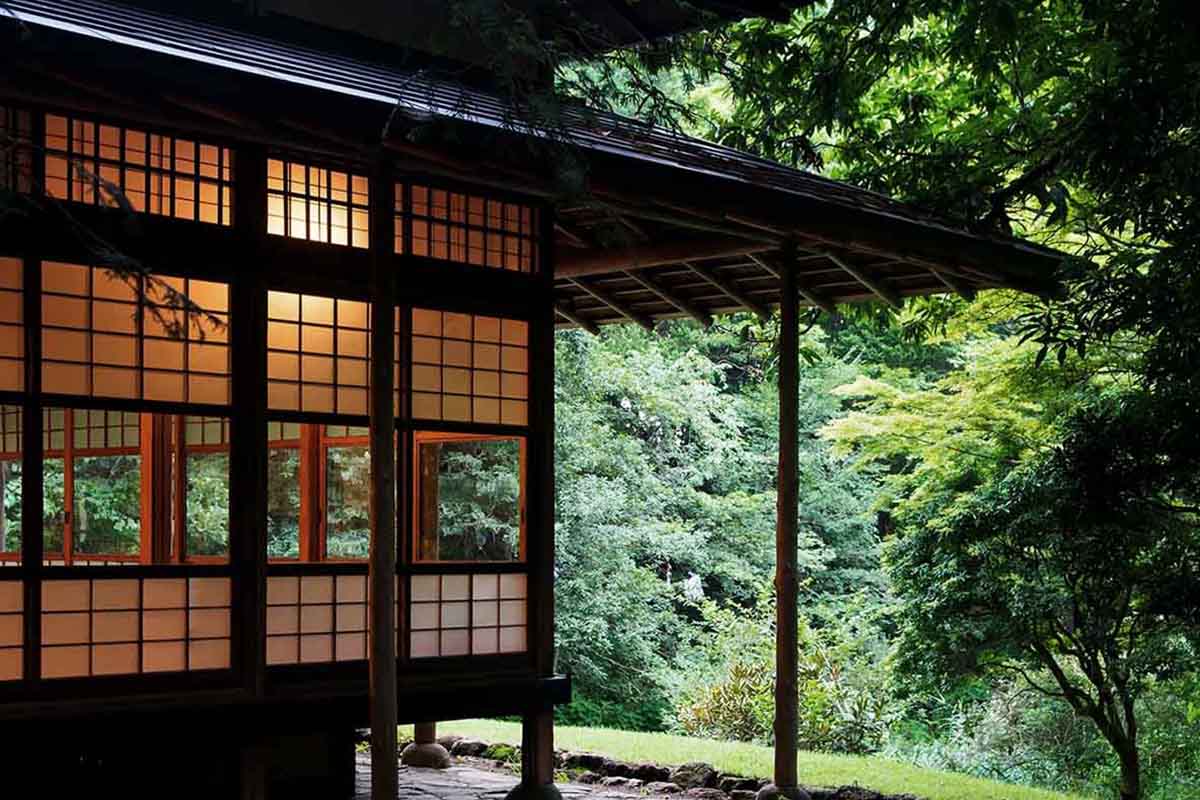
A hotel conceived as a pause within the historic city. Dark wood, natural plasters, raw stone and carefully composed shadows structure the spaces. Inner gardens converse with the rooms, where reinterpreted tatami and organic textiles establish an immediate sense of calm. The spa draws on local traditions, blending Japanese herbal knowledge with a holistic approach. An address that embodies restraint without ever fixing it in place.
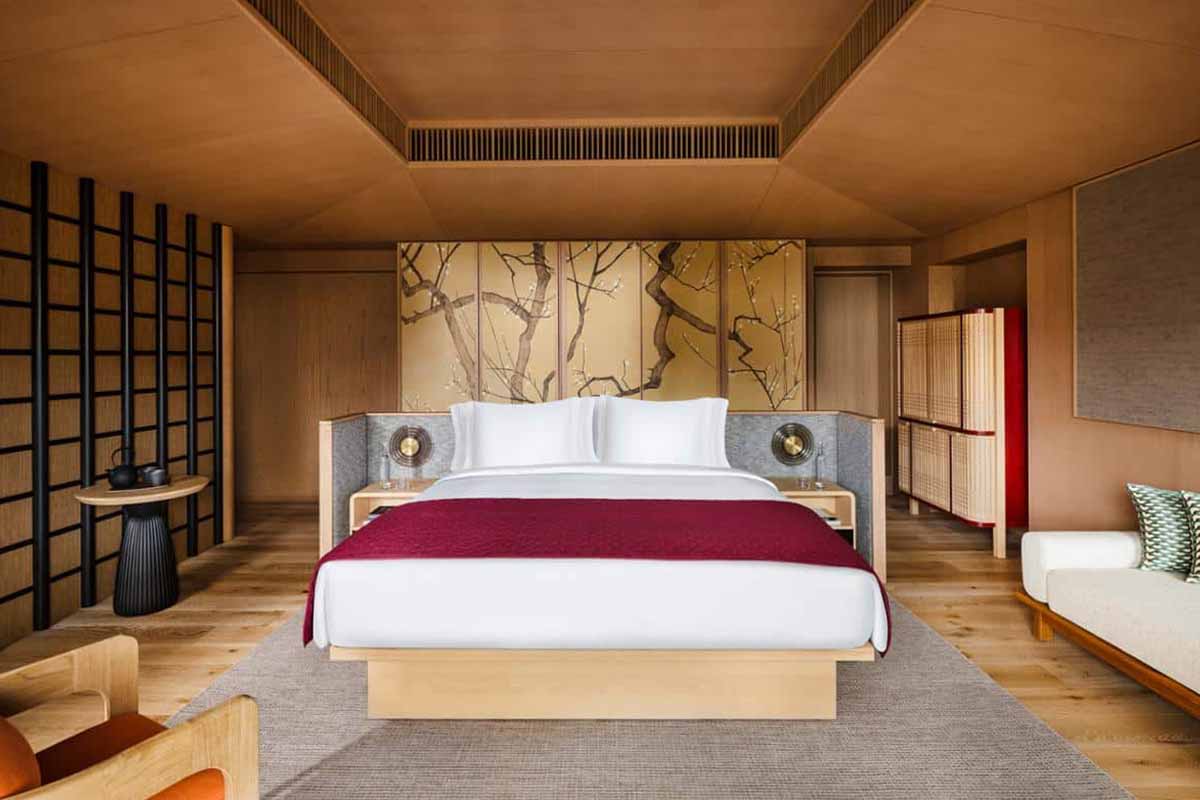
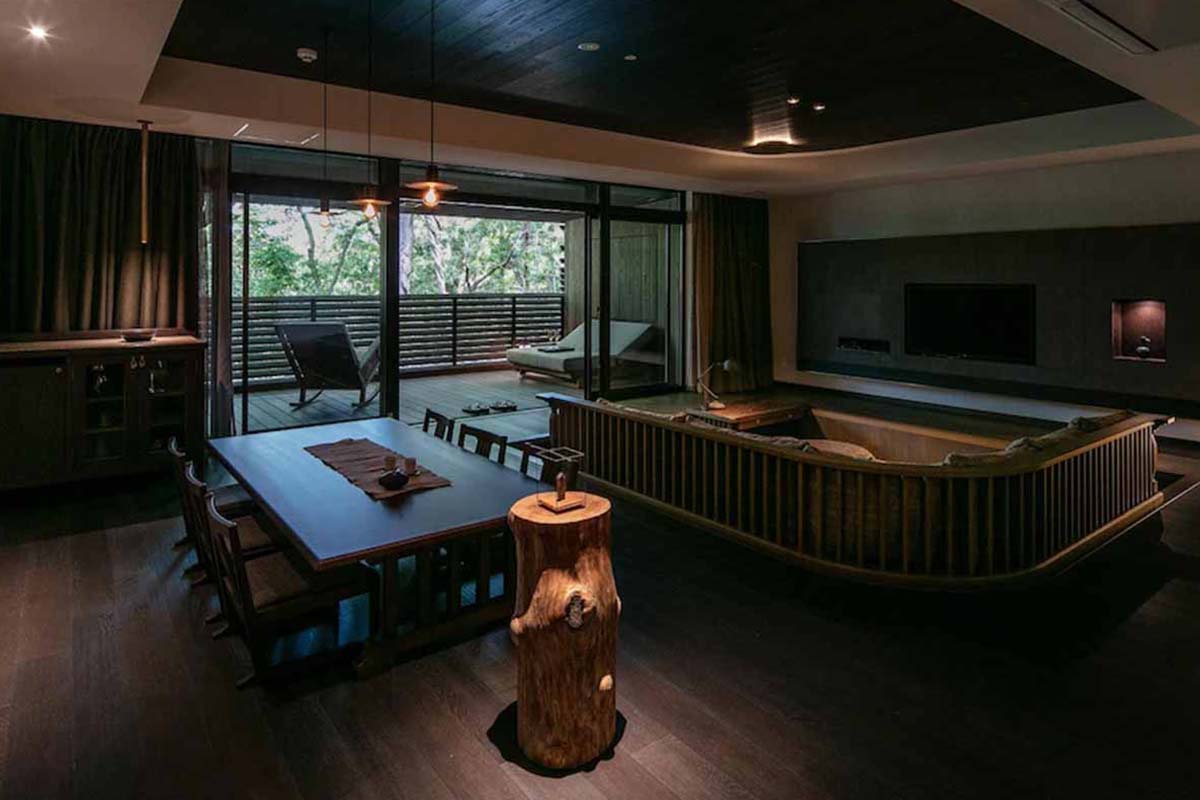
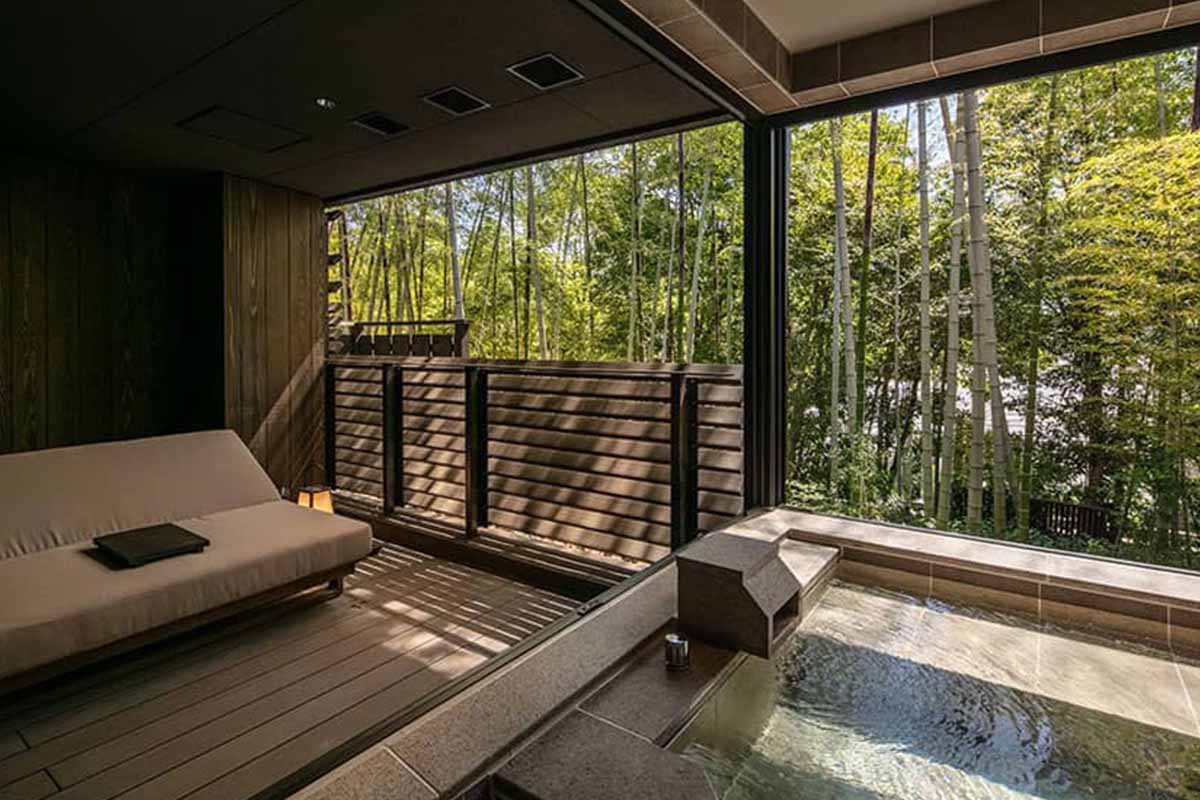
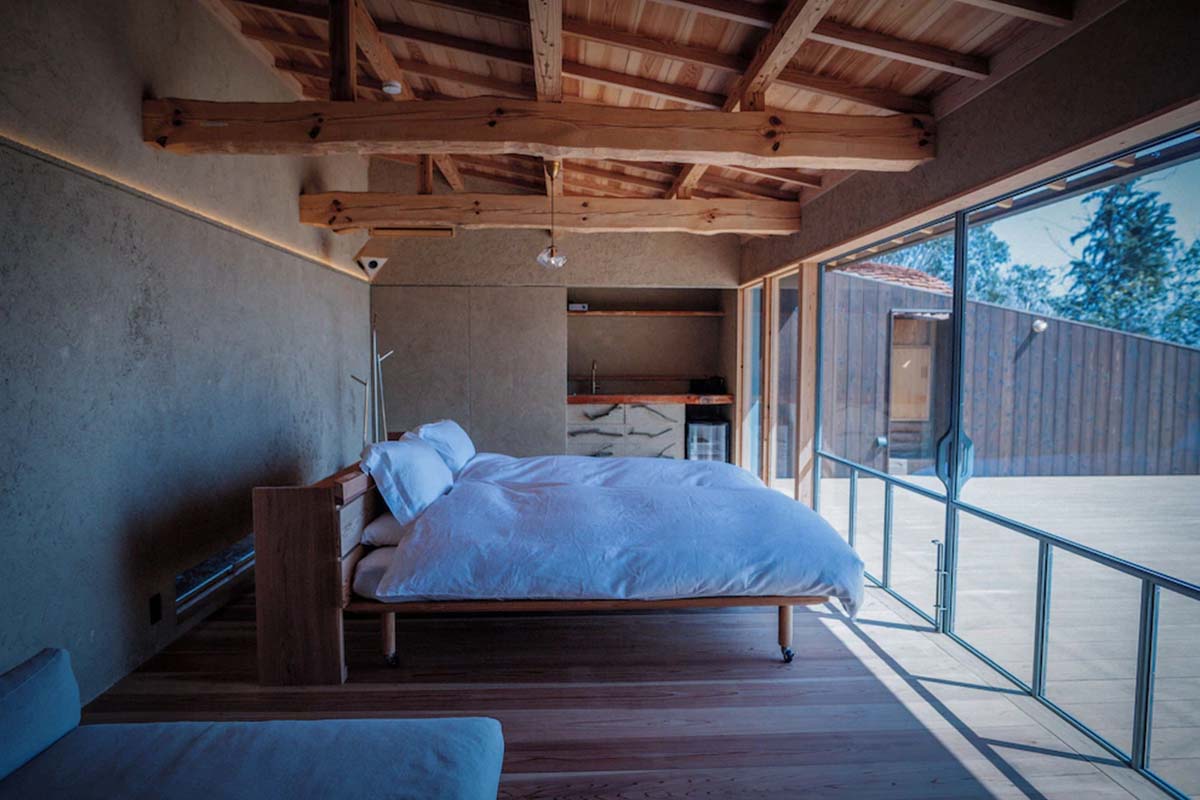
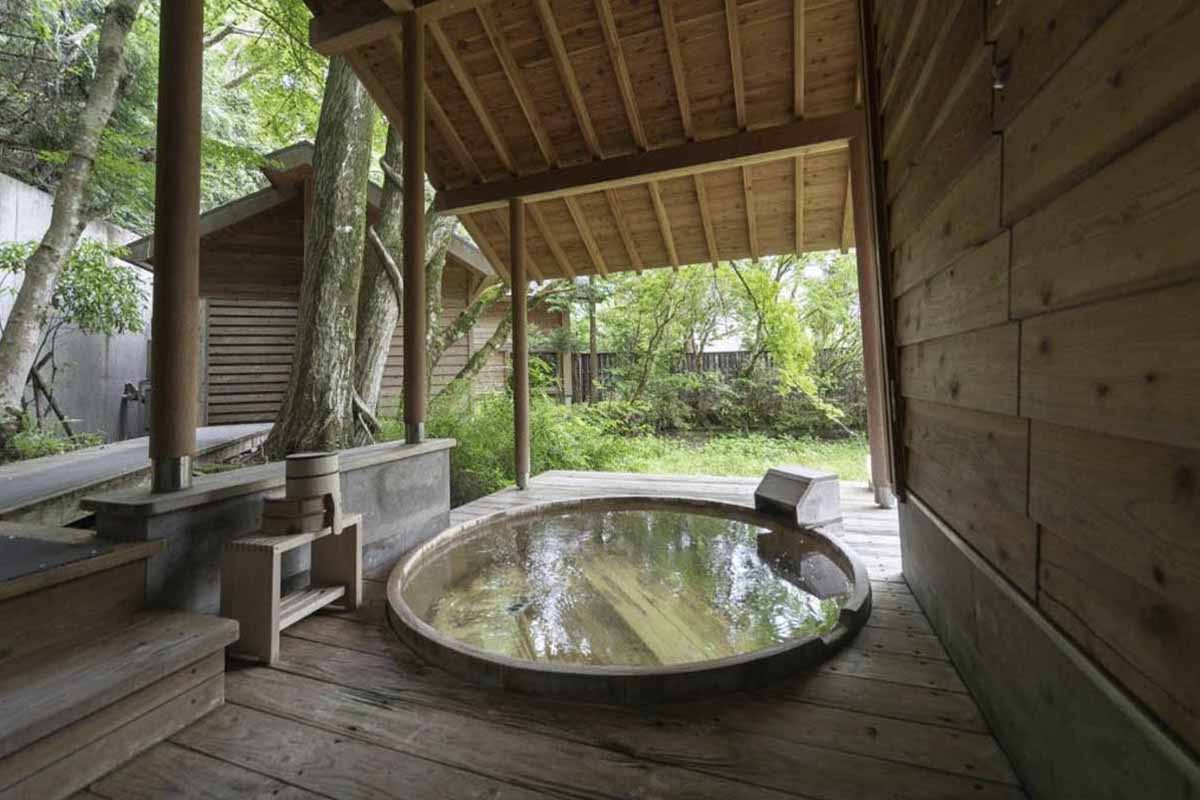
Discreet and enveloping, FUFU Nara favours warm, deep materials. Dark wood, softened light, intimate volumes. Each suite features a private outdoor thermal bath, opening onto vegetation and extending the direct connection to the living world. Everything here invites intimacy and slowness. Luxury becomes silent, almost invisible, yet deeply felt.
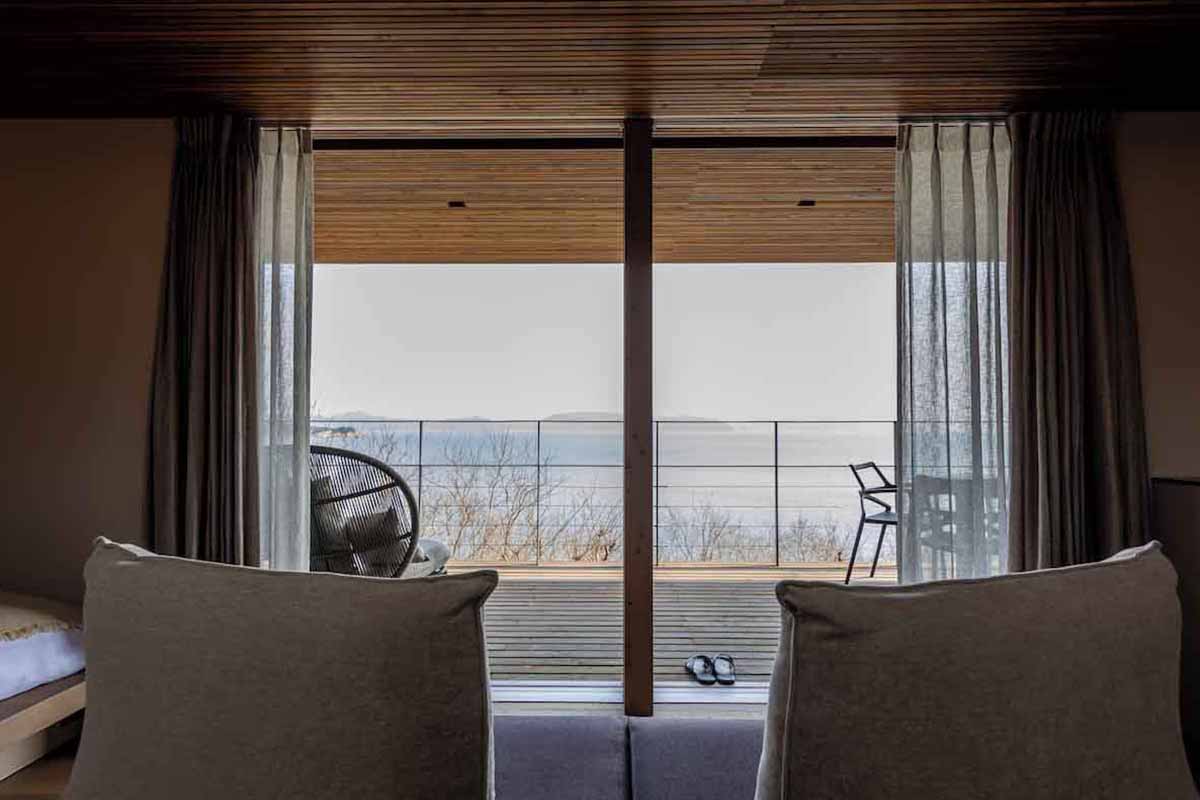
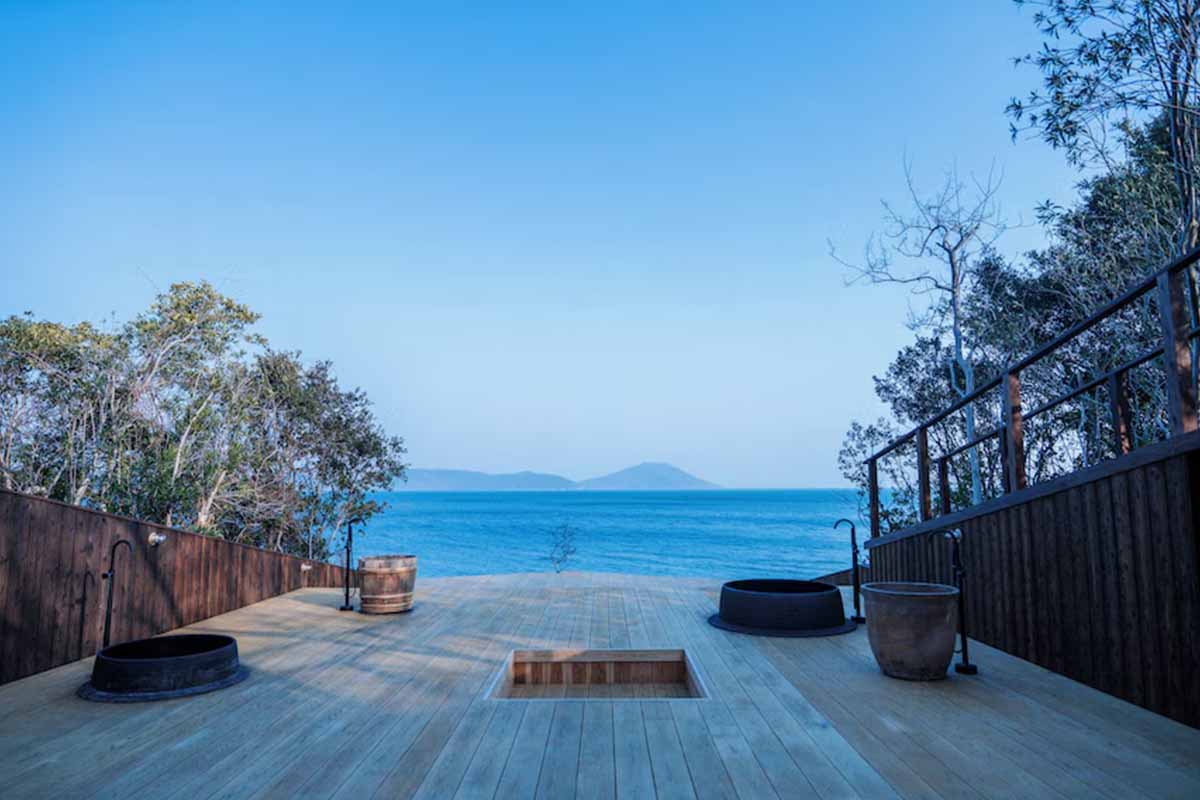
Set among olive trees, Millennium Olive Terrace cultivates a direct relationship with the landscape. Architecture remains low, discreet, almost withdrawn. Light wood, smooth concrete, wide openings onto the Inland Sea. The rooms extend a sense of space between minimal interiors and omnipresent nature. Staying here unfolds at a deliberately slow pace, set apart, like a quiet pause between two artworks, two walks, two moments of light.
A hotel grounded in elegant functionality. Large picture windows, contemporary lines, durable materials and controlled comfort. The rooms offer a clear, almost neutral space, conducive to introspection after visiting the Memorial. A deliberate place of transition, where you catch your breath before continuing the journey.
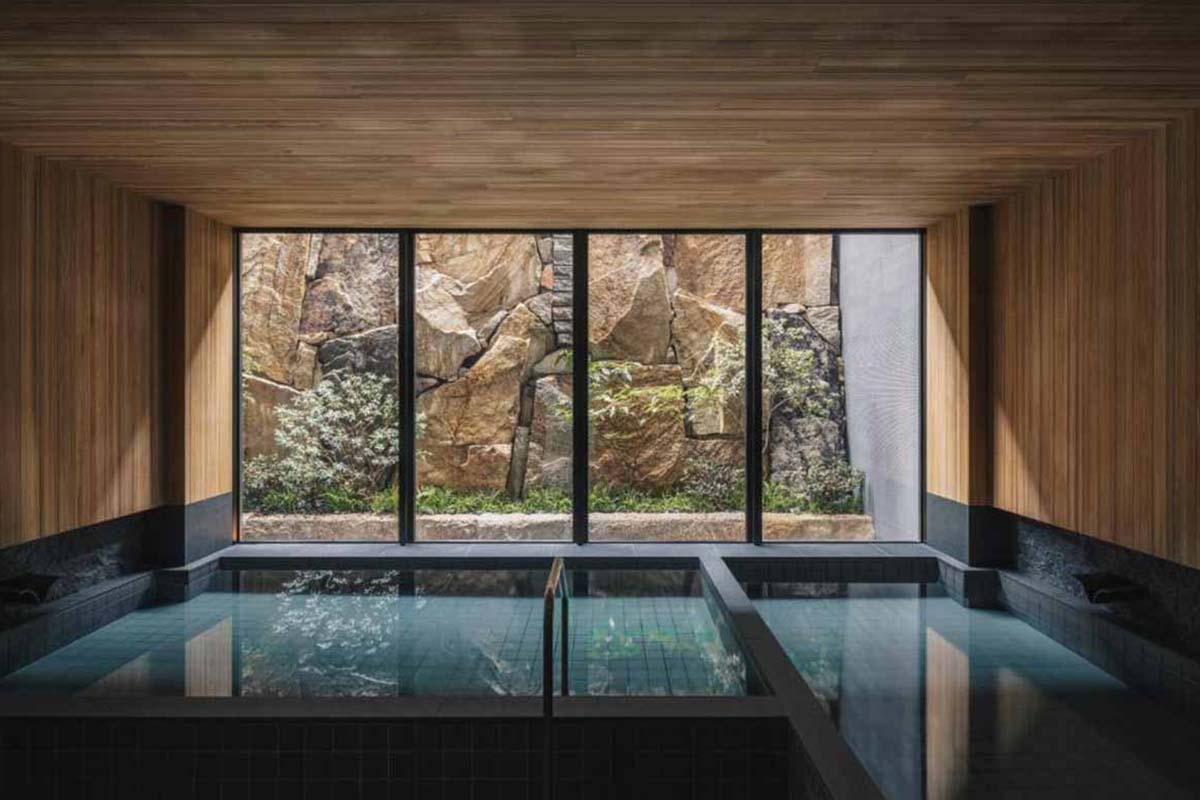
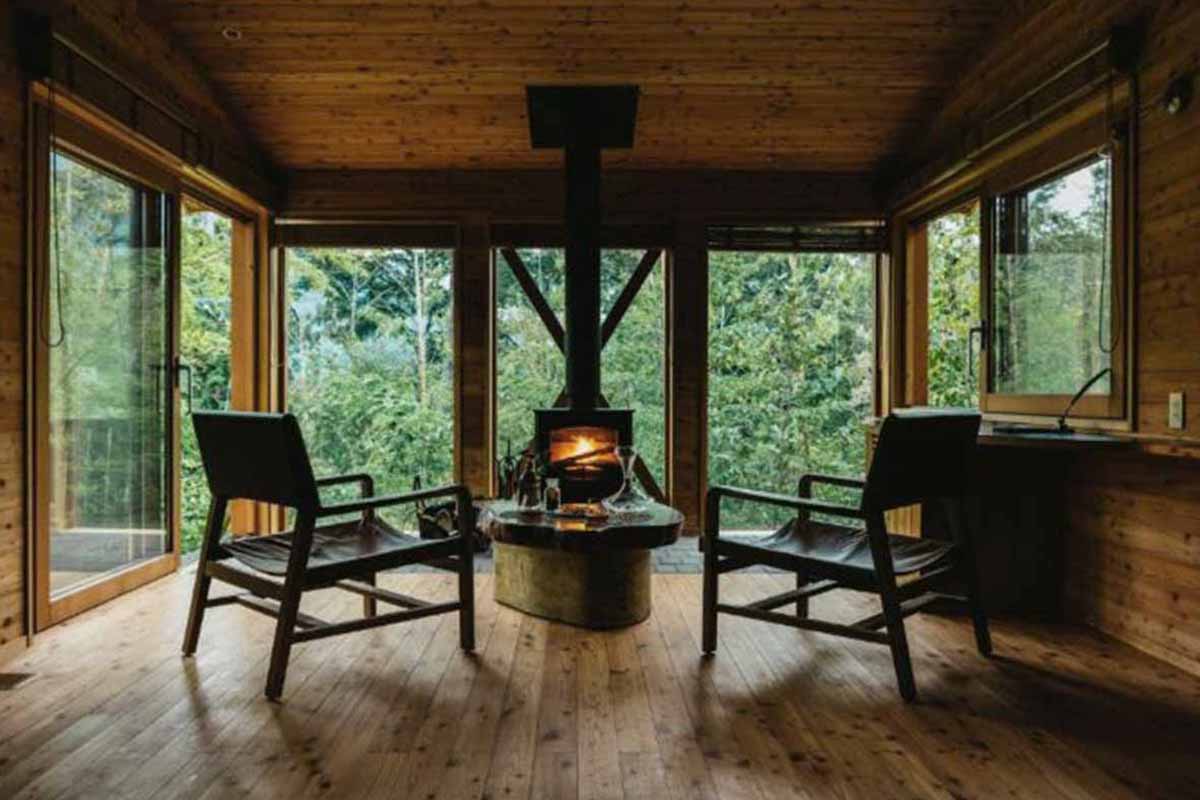
Here, material sets the tone. Raw wood, volcanic stone, heavy textiles, low light. Outdoor baths opening onto the forest form the heart of the experience. Silence is dense, nature omnipresent. Every detail seems designed to slow the body and refine perception. A refuge where the landscape seeps into the architecture itself.


The story
“Japan reveals itself in fragments.
Light resting on stone, silence held within a gesture, an animal presence crossing the frame without lingering. Travelling here means accepting that not everything will be grasped, allowing some things to remain off-screen, and returning with a more attentive gaze.”
— Olivier Weisse
Localisation
Looking for a tailor-made journey through Japan? With Weisse taking care of every detail, all you need to do is wrap yourself in a yukata and let yourself be swept away by the captivating culture and serene landscapes. Are you ready for pure bliss?